list of cruciferous vegetables pdf

Cruciferous Vegetables: A Comprehensive Guide (PDF Focus)

Discover extensive PDF resources detailing 55+ cruciferous vegetables, including broccoli, kale, and cabbage, packed with vital nutrients and offering significant health advantages.

Explore downloadable lists from governmental and university extensions, providing comprehensive guides to these fiber-rich, vitamin-packed vegetables for optimal dietary inclusion.

What are Cruciferous Vegetables?

Cruciferous vegetables represent a diverse group, renowned for their distinctive flavors and substantial nutritional benefits. This family, belonging to the Brassicaceae family, includes well-known varieties like broccoli, cauliflower, cabbage, kale, Brussels sprouts, and kohlrabi, with many originating from the single species Brassica oleracea.

Characterized by their four-petaled flowers resembling a cross – hence the name “cruciferous” from the Latin ‘cruciferae’ meaning ‘cross-bearing’ – these vegetables are nutritional powerhouses. They are notably low in calories yet incredibly rich in vitamins (C, E, K, and B9), minerals, fiber, and potent antioxidants.

PDF resources frequently highlight the abundance of phytochemicals, particularly glucosinolates, within these vegetables, contributing to their potential health-promoting properties. Finding comprehensive PDF lists allows for easy identification and understanding of the extensive range within this vegetable category, aiding in informed dietary choices and meal planning.

The Brassicaceae Family & Key Characteristics

The Brassicaceae family, also known as the mustard family, encompasses a vast array of plants, with cruciferous vegetables forming a significant subgroup. PDF guides dedicated to this family detail its defining characteristics, including the presence of glucosinolates – sulfur-containing compounds responsible for their pungent aroma and potential health benefits.

Key features include four-petaled flowers arranged in a cross-like formation, a characteristic that gives the “cruciferous” name its origin. These plants often thrive in cool climates and exhibit a remarkable diversity in growth habits, ranging from leafy greens like kale and collard greens to dense heads like cabbage and cauliflower.

Detailed PDF resources showcase the family’s genetic relationships, explaining how selective breeding has led to the numerous varieties we enjoy today. Understanding these characteristics aids in identifying cruciferous vegetables and appreciating their shared nutritional profile, as outlined in various downloadable lists.

Nutritional Powerhouse: Vitamins & Minerals

Cruciferous vegetables, as detailed in numerous PDF guides, are exceptionally rich in essential vitamins and minerals. These resources highlight their abundance of Vitamin C, a potent antioxidant supporting immune function, and Vitamin K, crucial for blood clotting and bone health. Folate (Vitamin B9) is also prominently featured, vital for cell growth and development.

PDF breakdowns reveal significant mineral content, including potassium, supporting healthy blood pressure, and calcium, essential for strong bones and teeth. They also provide notable amounts of manganese, contributing to metabolism, and magnesium, involved in numerous bodily functions.

Downloadable lists often present nutritional data per serving, allowing for informed dietary choices. These guides emphasize that the specific vitamin and mineral profile varies slightly between different cruciferous vegetables, encouraging a diverse intake for optimal health benefits.

Antioxidant & Phytochemical Content

PDF resources dedicated to cruciferous vegetables consistently emphasize their remarkable antioxidant and phytochemical profiles. These compounds, detailed in downloadable guides, play a crucial role in protecting cells from damage caused by free radicals.

Carotenoids like beta-carotene, lutein, and zeaxanthin are highlighted for their benefits to eye health. PDF analyses showcase the presence of glucosinolates, sulfur-containing compounds linked to cancer prevention, a key focus in many research-backed documents.

These guides also detail the abundance of polyphenols, known for their anti-inflammatory properties and contribution to heart health. Downloadable lists often categorize phytochemicals by vegetable, aiding in targeted dietary choices. The concentration of these beneficial compounds can vary, reinforcing the importance of consuming a variety of cruciferous vegetables as outlined in comprehensive PDF reports.

Detailed List of Cruciferous Vegetables

PDF guides present an extensive catalog of 55+ cruciferous vegetables, from familiar broccoli and cabbage to unique kohlrabi and bok choy varieties.

Downloadable resources offer detailed profiles, nutritional breakdowns, and culinary applications for each vegetable.

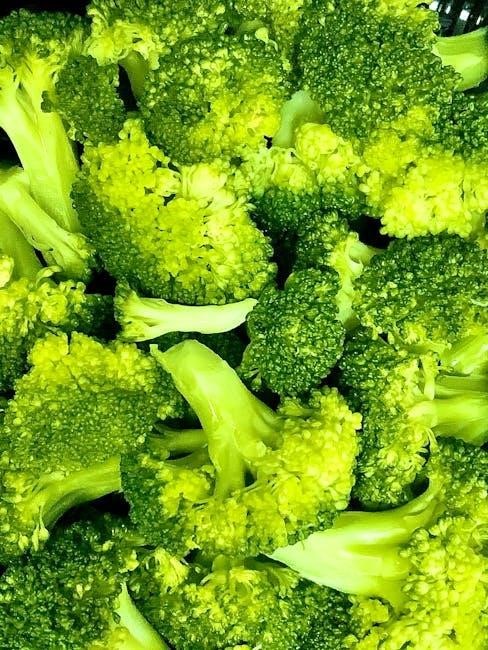
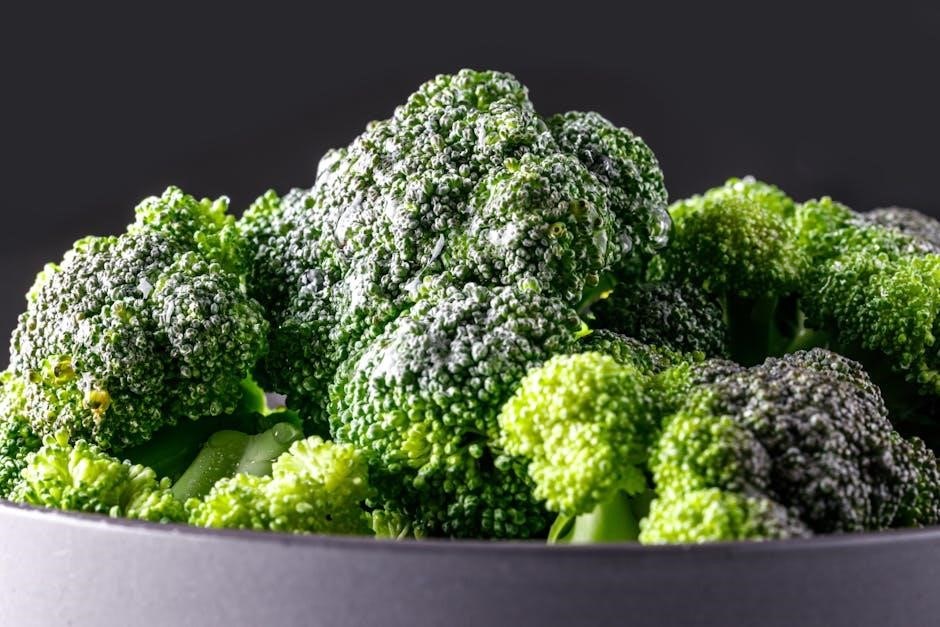
Broccoli: Varieties & Nutritional Benefits

PDF resources comprehensively detail broccoli’s diverse varieties, including Calabrese (the most common), Romanesco (with its fractal florets), and purple sprouting broccoli, each offering unique flavors and textures.

Downloadable guides highlight broccoli’s exceptional nutritional profile: a rich source of vitamins C and K, folate, fiber, and potent antioxidants. These PDFs emphasize its carotenoid content – beta-carotene, lutein, and zeaxanthin – contributing to eye health and disease prevention.

Detailed charts within these PDFs showcase broccoli’s benefits for heart health, digestive support, and potential cancer-preventative properties due to its glucosinolate content. They also provide information on optimal cooking methods to preserve nutrient density, such as steaming or light stir-frying, alongside potential considerations for individuals on specific diets like Keto or Vegan.

Furthermore, these PDFs often include recipe ideas and storage tips to maximize freshness and minimize waste, making broccoli a convenient and healthy addition to any meal plan.

Cauliflower: Colors & Culinary Uses

PDF guides showcase cauliflower’s surprising color spectrum beyond the traditional white, including orange, purple, and green varieties – each with slightly different nutrient profiles and flavor nuances.

Downloadable resources detail cauliflower’s versatility in the kitchen, highlighting its use as a low-carb substitute for rice, potatoes, and even pizza crust. PDF charts illustrate various culinary applications, from roasting and steaming to pureeing into creamy soups and sauces.

Comprehensive PDFs emphasize cauliflower’s nutritional benefits: a good source of vitamin C, vitamin K, folate, and fiber. They also detail its antioxidant and phytochemical content, contributing to overall health and potentially reducing disease risk.

Moreover, these PDFs often include recipes tailored to different dietary needs, such as vegan or gluten-free options, alongside storage recommendations to maintain freshness and minimize waste, making cauliflower a staple ingredient.

Cabbage: Types (Green, Red, Savoy) & Storage

PDF resources meticulously categorize cabbage varieties – green, red, and Savoy – detailing their unique flavor profiles and culinary applications. Downloadable guides illustrate how green cabbage excels in slaws and fermentation, while red cabbage adds vibrant color and a slightly peppery bite to salads.

Savoy cabbage, with its crinkled leaves, is highlighted for its tenderness and suitability for steaming or braising. Comprehensive PDFs outline optimal storage techniques to maximize freshness, recommending refrigeration in a plastic bag with air holes.

These guides also detail cabbage’s nutritional value, emphasizing its high vitamin C and K content, alongside its fiber contribution to digestive health. PDF charts often include recipes, from classic coleslaw to hearty soups and stews.

Furthermore, PDFs address potential concerns like bloating and offer tips for preparation to minimize digestive discomfort, making cabbage a versatile and healthy addition to any diet.

Kale: Nutritional Profile & Cooking Methods

PDF guides extensively detail kale’s impressive nutritional profile, highlighting its rich vitamin K, A, and C content, alongside its antioxidant properties. Downloadable charts showcase its fiber contribution and mineral density, emphasizing its role in supporting overall health.

Comprehensive PDFs explore diverse cooking methods, from raw kale salads (with massaging techniques for tenderness) to baked kale chips for a crispy snack. Detailed instructions cover steaming, sautéing, and adding kale to soups and stews.

These resources often include recipe variations, showcasing kale’s versatility in smoothies, stir-fries, and even as a pizza topping. PDFs also address potential concerns regarding oxalates and offer preparation tips to mitigate their effects.

Furthermore, guides often categorize kale varieties – curly, lacinato (dinosaur), and red Russian – detailing their unique textures and flavors, ensuring optimal culinary application.

Brussels Sprouts: Growing & Preparation Tips

PDF resources dedicated to Brussels sprouts offer detailed growing guides, covering soil requirements, planting schedules, and pest control. Downloadable charts illustrate optimal harvest times for peak flavor and nutrient density.

Comprehensive PDFs provide preparation tips to overcome common dislikes, emphasizing techniques like trimming the ends, halving or quartering, and avoiding overcooking. Detailed instructions cover roasting, steaming, sautéing, and shredding for salads.

These guides often include recipe variations, showcasing Brussels sprouts paired with bacon, balsamic glaze, or maple syrup to enhance their taste. PDFs also address potential bitterness and offer methods to reduce it, like blanching or freezing.

Furthermore, resources often detail selecting sprouts based on color and firmness, ensuring optimal quality and flavor. PDFs may also include information on storing Brussels sprouts for extended freshness.

Kohlrabi: A Unique Root Vegetable

PDF guides dedicated to kohlrabi highlight its unusual appearance and versatile culinary uses. Downloadable resources detail how to select kohlrabi – choosing smaller, firmer bulbs for optimal sweetness and texture.

Comprehensive PDFs offer preparation techniques, explaining how to peel (or not peel!) and utilize both the bulb and the leaves. Detailed instructions cover methods like roasting, steaming, stir-frying, and even eating it raw in salads or slaws.

These resources often include unique recipe ideas, showcasing kohlrabi’s mild, slightly sweet flavor in dishes like kohlrabi fries or mashed kohlrabi. PDFs also explain how to store kohlrabi properly to maintain freshness.

Furthermore, guides may detail kohlrabi’s nutritional profile, emphasizing its high vitamin C and fiber content. PDFs often include growing tips for those interested in cultivating this unique vegetable at home.

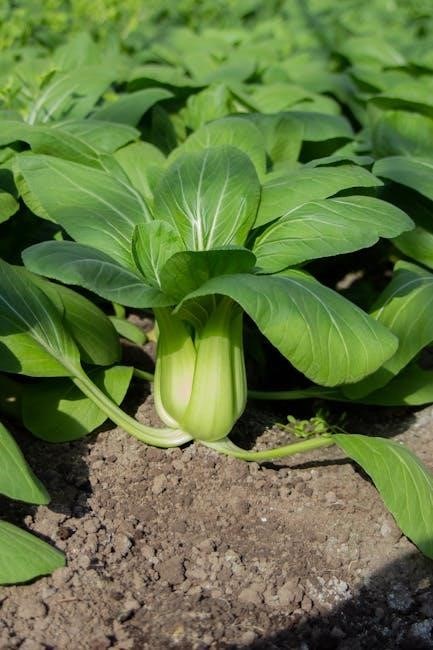
Bok Choy (Pak Choi): Varieties & Recipes

PDF resources dedicated to Bok Choy (Pak Choi) detail its diverse varieties – including baby bok choy, Shanghai bok choy, and regular bok choy – outlining subtle flavor and texture differences. Downloadable guides showcase the vegetable’s adaptability in various cuisines.

Comprehensive PDFs provide a wealth of recipes, ranging from quick stir-fries and steaming methods to more elaborate soups and braised dishes. Detailed instructions often include ingredient pairings that complement Bok Choy’s mild, slightly peppery taste.

These resources frequently feature authentic Asian recipes, demonstrating Bok Choy’s integral role in Chinese and other East Asian culinary traditions. PDFs also offer guidance on selecting fresh Bok Choy, emphasizing crisp leaves and firm stalks.

Furthermore, guides highlight Bok Choy’s nutritional benefits, emphasizing its rich vitamin and mineral content. PDFs may also include storage tips to maintain freshness and prevent wilting.

Collard Greens: Southern Cuisine Staple

PDF guides focusing on Collard Greens emphasize their deep roots in Southern cuisine, detailing traditional cooking methods passed down through generations. Downloadable resources showcase classic recipes like slow-cooked collards with smoked meats, a cornerstone of Southern comfort food.

Comprehensive PDFs often include variations on the traditional recipe, exploring different seasoning blends and cooking times to achieve desired tenderness and flavor profiles. Detailed instructions guide users through the process of cleaning, chopping, and preparing collard greens for optimal results.

These resources frequently highlight the nutritional benefits of collard greens, emphasizing their high vitamin K, vitamin A, and fiber content. PDFs may also discuss the historical significance of collard greens within African American culinary traditions.

Furthermore, guides offer tips on selecting the freshest collard greens, looking for vibrant green leaves and sturdy stems. PDFs can also provide storage advice to maintain quality and prevent spoilage.

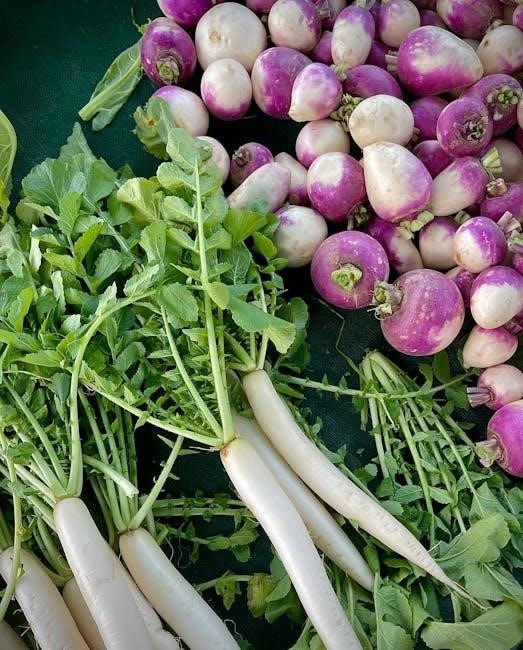
Turnips & Turnip Greens: Root & Leafy Benefits

PDF resources dedicated to Turnips and Turnip Greens highlight the dual benefits of consuming both the root and the leafy tops, maximizing nutritional intake. Downloadable guides often present recipes utilizing both parts, showcasing versatility in the kitchen.

Comprehensive PDFs detail the distinct flavors and textures of different turnip varieties, from smaller, sweeter types to larger, more pungent ones. Detailed instructions cover proper preparation techniques for both the root – roasting, mashing, or pickling – and the greens – sautéing, steaming, or braising.

These resources emphasize the vitamin C, fiber, and folate content found in both turnips and their greens, promoting overall health. PDFs may also explore traditional Southern recipes featuring turnip greens cooked with smoked meats.

Furthermore, guides offer advice on selecting fresh turnips, looking for firm, unblemished roots and vibrant green leaves. PDFs can also provide storage tips to maintain freshness and prevent wilting.

Radishes: Varieties & Spicy Flavor

PDF guides dedicated to radishes showcase the impressive diversity within this often-underestimated vegetable, detailing numerous varieties beyond the common red globe radish. Downloadable resources illustrate differences in color – red, white, purple, black – and shape, from round to elongated.

Comprehensive PDFs explore the varying levels of spiciness among radish types, explaining how growing conditions and maturity impact flavor intensity. Detailed charts often compare the heat levels of Daikon, French Breakfast, and Watermelon radishes.

These resources provide culinary inspiration, suggesting uses beyond salads – roasting, pickling, or adding to stir-fries. PDFs may include recipes highlighting the radish’s peppery bite and crisp texture;

Furthermore, guides offer tips on selecting fresh radishes, emphasizing firm, brightly colored specimens with healthy green tops. PDFs can also detail proper storage techniques to maintain crispness and prevent wilting.

Rutabaga (Swede): A Root Vegetable Hybrid

PDF resources dedicated to rutabaga (also known as swede) clarify its unique origin as a natural cross between a cabbage and a turnip, a fascinating detail often highlighted in botanical guides. Downloadable charts illustrate its distinct characteristics – a purple-tinged top and yellow flesh.

Comprehensive PDFs detail the nutritional profile of rutabaga, emphasizing its high vitamin C and fiber content, often comparing it to other root vegetables. Detailed guides explain its slightly sweet and earthy flavor, making it versatile in cooking.

These resources offer diverse culinary applications, from roasting and mashing to adding to stews and soups. PDFs frequently include recipes showcasing rutabaga’s ability to absorb flavors.

Furthermore, guides provide storage advice, recommending cool, dark places for optimal freshness. PDFs may also cover selecting rutabagas, advising on firm, heavy roots without soft spots.

Health Benefits of Cruciferous Vegetables

PDF guides detail how these vegetables, like broccoli and kale, offer cancer prevention, heart health support, and improved digestion due to their rich nutrient content.

Cancer Prevention Properties

Numerous PDF resources highlight the potent cancer-fighting capabilities inherent in cruciferous vegetables. These vegetables, encompassing varieties like cauliflower, cabbage, and Brussels sprouts, are rich in glucosinolates – sulfur-containing compounds. Upon digestion, these compounds break down into biologically active substances, including isothiocyanates, which demonstrate anti-cancer effects.

Research detailed in downloadable guides suggests these isothiocyanates can help neutralize carcinogens, slow cancer cell growth, and even promote cancer cell death (apoptosis). Specific cancers potentially impacted include those of the lung, colon, breast, prostate, and bladder. PDF lists often categorize vegetables by their glucosinolate content, aiding informed dietary choices.

Furthermore, the high fiber content within these vegetables, as outlined in various PDFs, contributes to gut health, further reducing cancer risk. Accessing these resources empowers individuals to proactively incorporate cancer-protective foods into their daily meals, leveraging the natural power of cruciferous vegetables.

Heart Health Support

Comprehensive PDF guides detail how cruciferous vegetables actively support cardiovascular health. These vegetables, including broccoli, kale, and collard greens, are naturally low in calories and rich in dietary fiber, contributing to healthy weight management – a key factor in heart disease prevention.

Downloadable resources emphasize the presence of potassium, a mineral vital for regulating blood pressure, found abundantly in many cruciferous varieties. Furthermore, these vegetables are excellent sources of folate and vitamin K, both linked to reduced risk of heart disease. PDF lists often highlight specific nutrient profiles for each vegetable;

The antioxidant content, thoroughly documented in available PDFs, combats oxidative stress, a major contributor to atherosclerosis. Incorporating these vegetables, as suggested by dietary recommendations within these guides, promotes optimal heart function and overall cardiovascular well-being, offering a natural path to a healthier heart.

Digestive Health & Fiber Content

Detailed PDF resources showcase the exceptional fiber content within cruciferous vegetables like broccoli, Brussels sprouts, and cabbage, crucial for optimal digestive health. These guides highlight how fiber promotes regularity, preventing constipation and supporting a healthy gut microbiome.

Downloadable lists often quantify the fiber content per serving for each vegetable, aiding in informed dietary choices. The fiber acts as a prebiotic, nourishing beneficial gut bacteria, which are essential for nutrient absorption and immune function. PDFs emphasize the role of fiber in reducing the risk of diverticulitis and other digestive disorders.

Furthermore, these resources explain how fiber contributes to feelings of fullness, aiding in weight management, indirectly benefiting digestive health. Utilizing these PDF guides allows for a targeted approach to incorporating fiber-rich cruciferous vegetables into a balanced diet, fostering a thriving digestive system.

Detoxification Support (Glucosinolates)

Comprehensive PDF guides detail the unique detoxification properties of cruciferous vegetables, stemming from their high glucosinolate content. These compounds are broken down during digestion into substances that support the body’s natural detoxification enzymes, particularly in the liver.

Downloadable resources explain how these enzymes aid in neutralizing harmful toxins and carcinogens, promoting cellular health. PDFs often list specific glucosinolate levels in various vegetables like kale, broccoli, and cabbage, allowing for informed dietary choices to maximize detoxification benefits.

Moreover, these guides clarify how the detoxification process supports overall health and well-being. Utilizing these PDFs enables a targeted approach to incorporating cruciferous vegetables, enhancing the body’s natural ability to eliminate waste and protect against environmental toxins, contributing to long-term vitality.

Cruciferous Vegetables & Diet

Access PDFs with recipes and meal ideas featuring 55+ cruciferous vegetables, alongside dietary considerations for keto, vegan, and general wellness.

Incorporating into Meals: Recipes & Ideas

Unlock a world of culinary possibilities with downloadable PDF recipe collections centered around the diverse range of cruciferous vegetables. These resources, often available from university extensions and nutritional websites, showcase how to seamlessly integrate these nutrient powerhouses into your daily diet.

Explore vibrant stir-fries featuring bok choy and broccoli, hearty soups brimming with kale and cabbage, or roasted Brussels sprouts with a balsamic glaze. PDF guides frequently offer variations for different skill levels, from quick weeknight meals to more elaborate weekend creations.

Discover innovative ideas like cauliflower rice, kohlrabi fries, or turnip mash – healthy alternatives that don’t compromise on flavor. Many PDFs also provide nutritional breakdowns per serving, aiding in mindful meal planning. Find inspiration for salads, slaws, and even smoothies incorporating these versatile vegetables, ensuring a balanced and delicious diet.

Utilize these PDF resources to expand your culinary repertoire and embrace the numerous health benefits of cruciferous vegetables.

Potential Side Effects & Considerations

PDF resources dedicated to cruciferous vegetables often address potential side effects, particularly related to their high fiber content and glucosinolate compounds. Downloadable guides frequently caution about potential digestive discomfort, such as gas and bloating, especially when introducing large quantities quickly.

Individuals with thyroid conditions should consult a healthcare professional, as these vegetables can interfere with iodine uptake. PDFs from reputable sources will highlight this consideration and suggest moderation. It’s also important to note that cooking methods can influence these effects; steaming or stir-frying may be gentler on the digestive system than raw consumption.

Furthermore, some individuals may experience interactions with certain medications. Comprehensive PDF guides often include disclaimers advising readers to consult their doctor if they have pre-existing health conditions or are taking medication. Always prioritize informed consumption and listen to your body’s signals.

Utilize these PDF resources to make informed dietary choices and mitigate potential adverse effects.

Cruciferous Vegetables for Specific Diets (e.g., Keto, Vegan)

PDF guides focusing on cruciferous vegetables frequently categorize options suitable for various dietary needs. For ketogenic diets, resources highlight lower-carb choices like broccoli, cauliflower, and cabbage, providing net carb counts for precise tracking. Downloadable charts often detail portion sizes to maintain ketosis.

Vegan diets readily incorporate the entire spectrum of cruciferous vegetables, emphasizing their nutrient density and fiber content. PDFs may offer plant-based recipes utilizing these vegetables as central ingredients, promoting diverse meal planning. Resources also address ensuring adequate vitamin B12 intake alongside these vegetables.

Additionally, some PDFs cater to low-FODMAP or gluten-free diets, identifying vegetables with lower levels of fermentable carbohydrates. Carefully review these guides to tailor your cruciferous vegetable intake to your specific dietary requirements and health goals.

Leverage these PDF resources for informed dietary adaptation.

Resources & Further Information (PDF Focus)

Access comprehensive PDF lists of cruciferous vegetables from government sites and university extensions, detailing nutritional profiles and health benefits for informed choices.

Finding Reliable PDF Lists of Cruciferous Vegetables

Locating trustworthy PDF resources detailing cruciferous vegetables requires careful consideration. Numerous websites offer lists, but verifying their accuracy and sourcing is crucial. Begin your search with governmental health organizations like the USDA (United States Department of Agriculture) and NIH (National Institutes of Health). These institutions frequently publish detailed nutritional information in downloadable PDF format.

University extension programs, such as those affiliated with land-grant universities, are also excellent sources. They often provide regionally specific guides to growing and consuming cruciferous vegetables, available as PDF documents. Look for publications authored by registered dietitians or horticultural experts. When evaluating a PDF list, check for citations and references to support the information presented. Be wary of websites promoting unsubstantiated health claims or lacking clear authorship. Prioritize resources that offer a comprehensive list, including less common varieties, and clearly outline the nutritional benefits of each vegetable. A reliable PDF will empower you with accurate knowledge for a healthier diet.

Government & University Extension Resources (PDFs)

Accessing authoritative PDF guides on cruciferous vegetables is streamlined through government and university extension websites. The USDA’s Agricultural Research Service often publishes reports on vegetable nutrition, frequently available for download. The National Cancer Institute (NCI) provides PDF fact sheets detailing the cancer-preventative properties of these vegetables.

Many university extension programs offer regionally tailored resources. Cornell University’s extension, for example, provides PDF guides on growing and utilizing cruciferous crops. Similarly, land-grant universities like Ohio State and University of California, Davis, host downloadable resources. These PDFs often include planting guides, recipes, and detailed nutritional breakdowns. Search using keywords like “cruciferous vegetables PDF,” “Brassica vegetables guide,” or “[State] extension cruciferous vegetables.” These resources are typically peer-reviewed and based on scientific research, ensuring accuracy and reliability. Utilizing these PDFs provides a solid foundation for informed dietary choices.

shani chalisa pdf hindi

Shani Chalisa: A Comprehensive Guide (PDF & Hindi)

Discover the profound spiritual practice of the Shani Chalisa, readily available as a PDF in Hindi. Explore devotion despite technology’s impact on reading habits.

The Shani Chalisa, a devotional hymn dedicated to Lord Shani (Saturn), holds immense significance in Hindu spirituality and Vedic astrology. This 40-verse composition, traditionally recited in Hindi and often sought as a PDF for convenient access, serves as a powerful tool for seeking blessings, mitigating negative influences, and fostering spiritual growth.

Despite the increasing digitization of reading materials and a potential decline in traditional book readership, the Shani Chalisa maintains a strong following. Individuals turn to this sacred text, often downloading it in Hindi PDF format, for daily recitation and as a means of connecting with the divine energy of Lord Shani.

Its accessibility, coupled with the perceived benefits – ranging from peace of mind to astrological remedies – ensures its continued relevance in modern times. The Shani Chalisa offers a pathway to understanding and harmonizing with the karmic forces governed by Saturn.

What is a Chalisa? – Definition and Significance

A Chalisa, derived from the Hindi word meaning “forty,” is a devotional hymn consisting of 40 verses. These hymns are dedicated to various deities and are a common practice within Hindu traditions. The Shani Chalisa, specifically, focuses on Lord Shani, offering praise, supplication, and a pathway to connect with his energies.

The significance of a Chalisa lies in its repetitive structure, aiding in memorization and fostering a meditative state during recitation. Many devotees prefer accessing these hymns as a PDF, allowing for convenient and portable practice. The Shani Chalisa PDF in Hindi is particularly popular.

Despite evolving reading habits, the Chalisa format remains potent. Its concise nature and devotional content make it accessible even amidst technological distractions, continuing its role as a vital spiritual practice for many.

The Importance of Lord Shani (Saturn) in Vedic Astrology

In Vedic Astrology, Lord Shani (Saturn) holds a unique and often feared position. He represents discipline, karma, delays, and responsibility. While often perceived negatively, Shani’s influence is crucial for spiritual growth and learning life lessons. His placement in a birth chart significantly impacts an individual’s destiny.

Understanding Shani’s energies is vital for navigating life’s challenges. Reciting the Shani Chalisa, readily available as a PDF in Hindi, is believed to appease Lord Shani and mitigate potential hardships. The Shani Chalisa PDF offers a direct connection to this powerful deity.

Even with modern distractions, the need for karmic balance remains. The Shani Chalisa provides a timeless remedy, offering solace and strength to those seeking Shani’s blessings, regardless of evolving reading preferences.

Understanding the Shani Chalisa

The Shani Chalisa is a devotional hymn dedicated to Lord Shani, comprised of forty verses praising his virtues and seeking his blessings. It’s a powerful tool for spiritual seekers, offering a pathway to overcome obstacles and attain peace of mind. The verses detail Shani’s attributes, his role in dispensing justice, and the benefits of devotion.

Accessing a Shani Chalisa PDF in Hindi allows for convenient and accessible practice. Despite a decline in traditional book reading, the digital format ensures this ancient practice remains available to all. The Hindi script and language deepen the connection to its roots.

Understanding the meaning behind each verse enhances the recitation experience. The Shani Chalisa isn’t merely a set of words; it’s a potent mantra for transformation, even in our technologically driven world.

Origin and Authorship of the Shani Chalisa

The precise origin and authorship of the Shani Chalisa remain shrouded in some mystery, a common trait among ancient devotional texts. While a definitive author isn’t widely documented, it’s believed to have emerged from the rich tapestry of Vedic tradition, likely composed by a devout sage or scholar centuries ago.

The hymn’s enduring popularity has led to various transcriptions and adaptations, including readily available Shani Chalisa PDF versions in Hindi. These digital copies ensure the text’s preservation and accessibility, countering the trend of declining book readership.

Regardless of its specific author, the Shani Chalisa embodies a deep reverence for Lord Shani, reflecting a long-standing tradition of seeking his grace. Its continued relevance speaks to the power of faith and devotion, even in the modern age.

The Language and Script – Hindi and Devanagari

The Shani Chalisa is traditionally composed in Hindi, the widely spoken language of India, making it accessible to a vast population. The script used is Devanagari, a beautiful and ancient script known for its phonetic accuracy and aesthetic appeal. This script is crucial for correct pronunciation and understanding of the verses.

The availability of the Shani Chalisa PDF in Hindi and Devanagari script is vital for those who wish to engage with the text in its original form. Despite the rise of digital media and a potential decline in traditional book reading, these PDFs maintain the cultural and linguistic integrity of the hymn.

Understanding Devanagari enhances the devotional experience, allowing for a deeper connection with the verses and the divine energy of Lord Shani.

Benefits of Reciting the Shani Chalisa

Reciting the Shani Chalisa, easily accessible as a PDF in Hindi, offers a multitude of benefits, both spiritual and astrological. Devotees experience a profound sense of peace and inner tranquility through consistent practice. It’s believed to provide a protective shield against negative energies and obstacles in life.

Furthermore, the Shani Chalisa is renowned for fostering prosperity and good fortune. It’s a powerful tool for mitigating the malefic effects of Saturn (Shani) in one’s horoscope, offering solace during challenging planetary periods. Even amidst a decline in traditional reading, the PDF format ensures accessibility.

Regular recitation strengthens devotion and cultivates a deeper connection with Lord Shani, leading to overall well-being and spiritual growth.

Spiritual Benefits – Peace, Protection, and Prosperity

The Shani Chalisa, conveniently found as a PDF in Hindi, unlocks significant spiritual advantages. Consistent recitation cultivates inner peace, dissolving anxieties and fostering a calm mind. It acts as a powerful spiritual shield, offering protection from negative influences and warding off misfortune.

Beyond peace and protection, the Chalisa is believed to attract prosperity and abundance into one’s life. It harmonizes energies, opening pathways for financial stability and overall well-being. Despite a shift away from books, the PDF format maintains accessibility.

Devotion to Lord Shani through the Shani Chalisa deepens one’s spiritual connection, promoting self-awareness and a sense of purpose. It’s a pathway to a more fulfilling and harmonious existence.

Astrological Benefits – Mitigating Saturn’s Negative Effects

Accessing the Shani Chalisa as a PDF in Hindi provides potent astrological benefits, particularly in mitigating the challenging effects of Saturn (Shani). Vedic astrology recognizes Saturn as a karmic planet, and unfavorable placements can bring hardship. Reciting the Chalisa is believed to appease Lord Shani, lessening the intensity of negative influences.

Specifically, it can help navigate difficult periods like Sadhe Sati and Ashtam Shani, reducing suffering and promoting resilience. The PDF’s accessibility ensures consistent practice. While reading habits evolve, this ancient practice remains relevant.

The Shani Chalisa doesn’t eliminate karmic consequences, but it softens their impact, offering strength and guidance during challenging times. It’s a proactive step towards astrological well-being.

The Content of the Shani Chalisa

The Shani Chalisa, readily available as a PDF in Hindi, comprises forty verses dedicated to Lord Shani. These verses are a beautiful blend of devotion, praise, and supplication. The content vividly describes Lord Shani’s appearance, powers, and role as a dispenser of justice. It acknowledges his sometimes harsh nature but emphasizes his ultimate fairness.

Each verse is a mantra in itself, designed to invoke Shani’s blessings and protection. The Hindi verses detail Shani’s dominion over the zodiac signs and his influence on human life. Despite changing reading preferences, the PDF format ensures accessibility.

The Chalisa also includes narratives of devotees who found solace and relief through sincere devotion to Lord Shani, reinforcing the power of faith.

Detailed Breakdown of the 40 Verses

The Shani Chalisa, often accessed as a PDF in Hindi, unfolds through forty meticulously crafted verses. The initial verses establish Lord Shani’s divine form and cosmic significance. Subsequent verses narrate his power over fate, karma, and the planetary system; Each verse builds upon the previous, creating a powerful devotional flow.

Verses 11-20 focus on Shani’s attributes – his justice, discipline, and the lessons he imparts through challenges. The middle verses (21-30) offer prayers for protection from negative influences and seek blessings for a peaceful life. The Hindi text, easily found in PDF format, is rich in symbolism.

The concluding verses (31-40) express gratitude and reaffirm faith in Lord Shani’s benevolent nature, despite his stern reputation. Reading the PDF allows for focused contemplation of each verse.

Key Themes and Mantras within the Chalisa

The Shani Chalisa, frequently available as a PDF in Hindi, revolves around core themes of justice, karma, and devotion. A central mantra emphasizes Lord Shani’s role as the dispenser of consequences, urging righteous conduct. The Hindi verses repeatedly invoke Shani’s name, functioning as a powerful mantra for protection and spiritual growth;

Another key theme is surrender – acknowledging Shani’s power and seeking his grace. The PDF version facilitates focused recitation of these mantras. Verses highlight the importance of humility and ethical living to mitigate negative karmic effects.

Recurring mantras within the Chalisa praise Shani’s wisdom and compassion, revealing a benevolent aspect often overshadowed by his stern image. Accessing the PDF allows for deeper understanding of these potent themes and mantras.

Symbolism and Imagery Used in the Shani Chalisa

The Shani Chalisa, often found as a PDF in Hindi, employs rich symbolism. Lord Shani is frequently depicted with a dark complexion, representing his association with austerity and detachment. Imagery of crows, his vahana (mount), symbolizes overcoming obstacles and accepting fate. The Hindi verses utilize metaphors of swords and iron, signifying Shani’s power to punish wrongdoing.

Recurring imagery includes mountains and forests, representing Shani’s remote and austere dwelling. The PDF version allows for careful study of these symbolic representations. Descriptions of Shani’s jewelry and attire denote his authority and divine status.

The Chalisa also uses imagery of light and darkness, illustrating the interplay between good and evil, and the importance of righteous conduct. Accessing the PDF enhances appreciation for the nuanced symbolism woven throughout the verses.

Finding a Shani Chalisa PDF in Hindi

Locating a Shani Chalisa PDF in Hindi is increasingly easy with the proliferation of online resources. Numerous websites dedicated to Hindu scriptures and devotional practices offer downloadable versions. A simple web search using keywords like “Shani Chalisa PDF Hindi” yields a multitude of results.

However, caution is advised when downloading from unfamiliar sources. Reputable platforms specializing in religious texts are preferred. Many digital libraries and online bookstores also host the Shani Chalisa in PDF format.

Ensure the PDF is clearly legible and accurately represents the traditional Hindi verses. Several apps dedicated to devotional content also provide access to the Shani Chalisa, often with audio recitation features.

Reliable Sources for Downloading the PDF

When seeking a Shani Chalisa PDF in Hindi, prioritize trustworthy sources. Websites like Sanskrit Documents and those affiliated with established Hindu temples or organizations are excellent starting points. Digital libraries focusing on Indian religious texts often provide verified PDF versions.

Internet Archive is another valuable resource, archiving various editions. Look for sites with clear copyright information and a reputation for accuracy. Avoid downloading from unknown or suspicious websites to prevent malware or inaccurate content.

Hindu scriptures focused platforms and established online bookstores specializing in religious literature are generally safe. Always scan downloaded files with antivirus software as a precautionary measure. Checking user reviews can also indicate a source’s reliability.

Authenticity and Verification of Online PDFs

Ensuring the authenticity of a Shani Chalisa PDF in Hindi is crucial. Compare multiple versions from reputable sources to identify discrepancies in verses or transliteration. Look for PDFs that include the publisher’s information and a clear lineage tracing back to traditional texts.

Cross-reference the verses with known, established Shani Chalisa texts available in printed books or from respected scholars. Pay attention to the Devanagari script’s accuracy and consistency. Beware of PDFs with poor formatting, grammatical errors, or unusual content.

If possible, consult with a knowledgeable priest or scholar of Vedic astrology to verify the PDF’s accuracy. Prioritize sources that offer explanations of the verses, demonstrating a deeper understanding of the text’s meaning and significance.

Different Versions of the Shani Chalisa PDF

Several versions of the Shani Chalisa PDF in Hindi circulate online, exhibiting minor variations in transliteration and formatting. Some PDFs may include additional explanatory notes or commentaries, while others present a purely textual rendition. Regional differences can also influence the script style and certain word choices.

You might encounter versions with differing levels of detail in the introductory and concluding sections. Some PDFs offer a word-by-word translation, aiding comprehension for non-native Hindi speakers. Others prioritize a more poetic rendering, focusing on the devotional aspect.

It’s important to note that these variations don’t necessarily indicate inaccuracy, but rather reflect different interpretations and traditions. Prioritize versions from trusted sources and verify the core verses remain consistent across different editions.

How to Recite the Shani Chalisa

To effectively recite the Shani Chalisa, begin by finding a clean and quiet space. Ideally, face towards the East or North while holding a copy of the Shani Chalisa PDF in Hindi. Begin with a moment of reverence, offering a silent prayer to Lord Shani.

Pronunciation is key; strive for accurate articulation of the Hindi verses, utilizing audio resources if needed. Recite with devotion and focus, understanding the meaning of each verse enhances the practice. Consistency is vital; regular recitation amplifies the benefits.

While any time is suitable, Saturday holds particular significance for Lord Shani. Consider performing the recitation during Sandhyakaal (twilight hours) for optimal results. Maintain a peaceful mindset throughout, allowing the verses to resonate within.

Best Time and Day for Recitation (Saturday Importance)

The most auspicious day for reciting the Shani Chalisa, as detailed in many Shani Chalisa PDF resources in Hindi, is undoubtedly Saturday. This day is sacredly dedicated to Lord Shani, amplifying the potency of your prayers and devotion.

Within Saturday, specific timings are considered particularly favorable. Sandhyakaal – the twilight hours, both morning and evening – are highly recommended. Reciting during these periods allows for a deeper connection with the planetary energies. Additionally, the Amavasya (New Moon) and Poornima (Full Moon) nights on Saturdays are exceptionally potent.

Consistency is key, but prioritizing Saturdays demonstrates respect and reverence for Lord Shani. Utilizing a Hindi language PDF during these times enhances the spiritual experience, fostering a stronger connection.

Proper Pronunciation of Hindi Verses

Achieving correct pronunciation when reciting the Shani Chalisa, especially when using a Shani Chalisa PDF in Hindi, is crucial for maximizing its benefits. Mispronunciation can subtly alter the mantra’s vibrational frequency, diminishing its impact.

Many online PDF versions offer transliterations alongside the Devanagari script, aiding those unfamiliar with the language. However, relying solely on transliteration isn’t enough. Listening to audio recitations by experienced practitioners is highly recommended. This allows you to grasp the nuances of each syllable and tone.

Pay close attention to nasal sounds and vowel lengths, common challenges for non-native speakers. Consistent practice, coupled with careful listening, will refine your pronunciation, deepening your connection with Lord Shani and the sacred verses.

Number of Recitations – Ekavarti, Trayodashi, etc.

The efficacy of reciting the Shani Chalisa, whether from a Shani Chalisa PDF in Hindi or otherwise, is often linked to the number of repetitions performed. Different traditions prescribe varying recitation counts for specific purposes.

Ekavarti refers to a single, complete recitation of the 40 verses. This is a common daily practice for general well-being. Trayodashi involves reciting the Chalisa 13 times, often performed on Saturdays or during challenging astrological periods. More intensive practices include reciting it 108 times.

The choice depends on individual needs and guidance from a spiritual mentor. Consistency is key; regular, even minimal, recitations are more beneficial than sporadic, large-scale efforts. Utilizing a PDF allows for convenient tracking of completed cycles.

Shani Chalisa and Remedies for Saturn’s Dasha

When navigating the challenging periods of Saturn’s Dasha (planetary period), reciting the Shani Chalisa – easily accessible as a PDF in Hindi – is considered a potent remedial measure. It’s believed to appease Lord Shani and mitigate the harsh effects of his influence.

The Chalisa isn’t a standalone solution, but a powerful component of a broader remedial strategy. Combining it with other practices like offering oil to Shani Dev’s idol, donating black sesame seeds, or performing specific pujas amplifies its benefits.

A Shani Chalisa PDF facilitates consistent recitation during the Dasha. The verses, when chanted with devotion, are said to reduce suffering and pave the way for positive transformations, even amidst challenging times.

Combining Chalisa Recitation with Other Remedies

To maximize the benefits during Saturn’s challenging phases, integrating Shani Chalisa recitation – conveniently found as a PDF in Hindi – with other traditional remedies is highly recommended. The Chalisa acts as a foundational practice, enhancing the efficacy of supplementary actions.

Commonly paired remedies include the offering of black sesame seeds and oil to Lord Shani’s idol, symbolizing surrender and seeking blessings. Donating black articles, performing specific pujas, and chanting the Shani Gayatri Mantra are also beneficial.

Consistent recitation of the Shani Chalisa PDF, alongside these practices, creates a synergistic effect, fostering spiritual strength and mitigating negative karmic influences. This holistic approach addresses the issue on multiple levels, promoting a more favorable outcome.

Specific Remedies Mentioned within the Chalisa

The Shani Chalisa, often accessed as a PDF in Hindi, isn’t merely a devotional hymn; it subtly incorporates remedial suggestions. While not explicitly a list of instructions, verses allude to practices that appease Lord Shani and alleviate suffering.

Many verses emphasize the importance of righteous conduct, honesty, and compassion – acting as internal remedies. Others implicitly suggest offerings like black sesame seeds (til) and oil, symbolizing surrender and purification.

Devotees often interpret the Chalisa as a guide to ethical living and selfless service. Consistent recitation of the Shani Chalisa PDF, coupled with embodying these principles, is considered a powerful remedy in itself. It’s a path towards self-improvement and divine grace.

Addressing Different Saturnine Problems (Sadhe Sati, Ashtam Shani)

The Shani Chalisa, frequently found as a PDF in Hindi, is widely believed to offer solace during challenging Saturnine periods like Sadhe Sati and Ashtam Shani. These phases, known for hardship, are viewed as karmic lessons.

Reciting the Shani Chalisa is considered a potent way to mitigate the intensity of these effects. The verses invoke Lord Shani’s blessings, seeking protection and guidance. It’s believed to lessen the burden of negative karma.

Devotees often combine Chalisa recitation with other remedies, such as offering prayers and engaging in charitable acts. The Chalisa’s verses instill faith and resilience, helping individuals navigate these difficult times with grace and acceptance. Consistent practice fosters a connection with divine energy.

Shani Chalisa vs. Other Shani Mantras and Stotras

While numerous Shani mantras and stotras exist, the Shani Chalisa – often accessible as a PDF in Hindi – distinguishes itself through its narrative and devotional approach. Unlike concise mantras, the Chalisa unfolds a forty-verse description of Lord Shani’s glory and attributes.

Compared to the Shani Gayatri Mantra, focused on enlightenment, or the Shani Kavacham, emphasizing protection, the Chalisa offers a more comprehensive devotional experience. It’s a poetic tribute, fostering a deeper connection with the deity.

The Chalisa’s accessibility, particularly in Hindi PDF format, makes it widely practiced. Choosing the right practice depends on individual preference and spiritual needs. Some prefer the directness of mantras, while others resonate with the Chalisa’s detailed verses.

Comparison with Shani Gayatri Mantra

The Shani Gayatri Mantra, a potent Vedic hymn, differs significantly from the Shani Chalisa, often found as a PDF in Hindi. The Gayatri Mantra is a concise, powerful invocation aimed at enlightenment and purification through focused meditation on the divine intellect of Lord Shani.

Conversely, the Chalisa, available in Hindi script, is a forty-verse devotional poem narrating Lord Shani’s attributes and glories. It’s a more expansive practice, fostering devotion through storytelling and detailed description.

While the Gayatri Mantra seeks wisdom, the Chalisa cultivates a loving relationship with Shani. Both are valuable, but cater to different spiritual inclinations. The PDF format of the Chalisa enhances its accessibility for wider devotional practice.

Comparison with Shani Kavacham

The Shani Kavacham, a protective armor hymn, contrasts with the Shani Chalisa, frequently accessed as a PDF in Hindi. The Kavacham focuses intensely on shielding the devotee from negative influences of Saturn through a series of powerful verses acting as a divine shield.

The Shani Chalisa, readily available in Hindi PDF format, adopts a broader devotional approach, praising Lord Shani’s virtues and seeking blessings for overall well-being. It’s less about direct protection and more about cultivating a harmonious relationship.

While the Kavacham is a concentrated defensive practice, the Chalisa is a more expansive expression of faith. Both are effective, but serve distinct purposes. The PDF version of the Chalisa makes it easily accessible for regular recitation and devotion.

Choosing the Right Practice for Your Needs

Selecting between the Shani Chalisa and other practices, like mantras, depends on your spiritual inclination and specific challenges. If seeking immediate relief from Saturn’s malefic effects, the Shani Kavacham might be more suitable. However, for cultivating a deeper connection with Lord Shani and fostering overall well-being, the Shani Chalisa is excellent.

The Shani Chalisa, conveniently available as a PDF in Hindi, is ideal for beginners due to its accessible language and devotional tone. It’s a gentle yet powerful practice. Consider your comfort level with Sanskrit verses versus Hindi verses.

Ultimately, consistency is key. Choose a practice you can commit to regularly. Downloading the Shani Chalisa PDF allows for easy access and integration into your daily routine, fostering a lasting spiritual connection.

The Power of Devotion to Lord Shani

Devotion to Lord Shani, cultivated through practices like reciting the Shani Chalisa, transcends mere astrological remedies. It’s about acknowledging the karmic forces at play and surrendering to divine justice. The Shani Chalisa, easily accessible as a PDF in Hindi, offers a powerful pathway to connect with this energy.

Whether facing challenges during Sadhe Sati or seeking general blessings, consistent recitation fosters inner peace and resilience. The readily available PDF format ensures accessibility, allowing anyone to incorporate this practice into their life.

Remember, the true power lies not just in the words, but in the sincerity of your devotion. Embrace the Shani Chalisa as a tool for spiritual growth and transformation, finding solace and strength in Lord Shani’s wisdom.