carport assembly instructions

Embarking on a carport assembly project offers a cost-effective shelter solution‚ providing protection for vehicles and equipment from the elements․
This guide details the process‚ ensuring a successful installation with careful planning and execution‚ maximizing your investment’s longevity and value․

DIY carport kits empower homeowners to take control‚ offering flexibility and savings compared to professional installation‚ but require diligence and precision․

Why Choose a DIY Carport Kit?

Opting for a do-it-yourself carport kit presents a compelling alternative to traditional construction methods‚ offering a blend of affordability‚ customization‚ and personal satisfaction․ The financial benefits are significant; you bypass the labor costs associated with professional installation‚ potentially saving hundreds or even thousands of dollars․

DIY kits also grant you greater control over the project’s timeline and specifications․ You can choose a kit that perfectly matches your needs and aesthetic preferences‚ selecting from various sizes‚ styles‚ and materials․ This level of customization is often limited with pre-built carports․

Furthermore‚ tackling the assembly yourself can be a rewarding experience‚ fostering a sense of accomplishment and enhancing your home improvement skills․ While it requires effort and attention to detail‚ the process is manageable for most homeowners with basic tools and a willingness to learn․ A well-installed carport not only protects your vehicles but also adds value to your property․

Understanding Your Carport Kit Contents

Before commencing assembly‚ a thorough inventory of your carport kit is crucial․ Typically‚ kits include all necessary components: support posts‚ beams‚ rafters‚ roofing panels‚ and a comprehensive hardware pack containing bolts‚ screws‚ and connectors․ Carefully unpack and lay out all parts‚ cross-referencing them with the parts list provided in the instruction manual․

Pay close attention to the different types of anchors included – rebar anchors for ground installation‚ concrete anchors for slab mounting‚ or potentially double helix auger anchors for high-wind areas․ Understanding the purpose of each component prevents errors during assembly․

Familiarize yourself with the hardware; different bolt sizes and screw types are used for specific connections․ A well-organized approach‚ with parts grouped according to their function‚ will streamline the assembly process and minimize frustration․ Don’t hesitate to contact the manufacturer if any parts are missing or damaged․

Pre-Assembly Planning & Site Preparation

Successful carport installation demands meticulous planning‚ including verifying local building codes‚ selecting a suitable site‚ and thoroughly clearing the designated installation area for optimal results․

Checking Local Building Codes and Permits

Before commencing any carport assembly‚ diligently investigate your local building codes and permit requirements․ Regulations vary significantly by location‚ impacting carport size‚ height‚ setback distances‚ and anchoring methods․

Contact your local planning or building department to ascertain specific rules governing accessory structures like carports․ Failure to comply can result in fines‚ removal orders‚ or project delays․ Inquire about necessary permits – typically a building permit is required‚ and potentially others related to zoning or drainage․

Understand height restrictions‚ as exceeding them may necessitate a variance․ Also‚ confirm setback requirements‚ dictating how far the carport must be from property lines․ Proper permitting ensures your carport meets safety standards and avoids legal complications‚ safeguarding your investment and peace of mind․

Documentation is key; keep copies of all permits and approved plans readily available during and after installation․

Site Selection: Key Considerations

Choosing the right location is paramount for a successful carport installation․ Prioritize a level area‚ minimizing the need for extensive ground preparation․ Consider accessibility for vehicles – ensure ample space for maneuvering in and out․

Evaluate sunlight exposure; orient the carport to provide optimal shade where desired‚ but avoid locations prone to excessive snow accumulation․ Proximity to existing structures‚ like your house‚ can offer added protection from the elements‚ but maintain appropriate clearances․

Crucially‚ check for underground utilities – gas lines‚ electrical cables‚ and water pipes – before digging․ Contact your local utility companies to mark these lines‚ preventing potentially dangerous and costly damage․ A clear‚ accessible‚ and utility-safe site will streamline the installation process and ensure long-term functionality․

Remember to factor in future needs‚ such as potential landscaping or additions‚ when selecting the carport’s location․

Clearing the Installation Area

Thorough site preparation is essential before commencing carport assembly․ Begin by removing all debris – rocks‚ branches‚ and loose materials – from the designated installation footprint․ This ensures a stable and level foundation for the structure․

Next‚ address any vegetation․ Remove plants‚ shrubs‚ and grass within the carport’s boundaries‚ extending slightly beyond to allow working space․ Be mindful of root systems that could interfere with anchor installation․ Careful removal prevents future issues․

Critically‚ inspect for obstructions․ Look for hidden items like pipes or remnants of previous structures․ A clean‚ unobstructed area is vital for accurate measurements and a secure installation․ This step minimizes potential complications and ensures the carport’s structural integrity․

Double-check the area for any forgotten items before proceeding to the next phase of preparation․

Foundation & Groundwork

Establishing a solid foundation is paramount for carport stability and longevity․ Soil testing‚ drainage considerations‚ and proper anchor preparation are crucial steps for success․

A well-prepared base ensures your carport withstands weather and provides lasting protection for your vehicles and other belongings․

Soil Testing: The Jar Test Method

Before commencing installation‚ understanding your soil composition is vital for a secure and lasting carport foundation․ The simple “jar test” provides valuable insights without expensive professional analysis․

To perform the test‚ fill a clear jar approximately one-third full with soil from your installation site․ Add water until the jar is about two-thirds full‚ ensuring complete submersion of the soil․ Secure the lid tightly and shake the jar vigorously for several minutes to thoroughly mix the soil and water․

Allow the jar to sit undisturbed for several hours‚ ideally overnight․ As the mixture settles‚ distinct layers will form․ Sand‚ being the heaviest‚ will settle first‚ followed by silt‚ and finally‚ clay will settle on top․

Observe the relative proportions of each layer․ A higher percentage of clay indicates poor drainage and may necessitate additional groundwork or specialized anchoring techniques․ This 5-minute test can save you from costly foundation problems down the road‚ ensuring a stable and reliable carport structure․

Ensuring Proper Drainage (10mm per meter slope)

Effective water management is crucial for the longevity of your carport and the surrounding area․ Pooling water can compromise the foundation and lead to structural issues over time․ Creating a slight slope ensures water naturally flows away‚ preventing accumulation․

Aim for a gentle slope of 10 millimeters of drop for every meter of run-off distance․ This subtle gradient is often imperceptible to the eye but is remarkably effective in diverting water․ Use a level and measuring tool to accurately establish this slope during site preparation․

Consider the natural terrain and plan accordingly․ If the site already has a natural slope‚ leverage it to your advantage․ If not‚ you may need to add fill material to create the desired gradient․

Proper drainage protects your investment‚ safeguarding against water damage and ensuring the stability of your carport for years to come․ This proactive step minimizes maintenance and maximizes the lifespan of your structure․

Preparing the Ground for Anchors

Solid anchor placement is paramount for a secure and stable carport․ Thorough ground preparation ensures the anchors can effectively resist wind loads and maintain structural integrity․ Begin by meticulously clearing the installation area of all debris‚ plants‚ and obstacles that could interfere with the anchoring process․

Crucially‚ check for underground utilities before digging to avoid potential disruptions or hazards․ Once cleared‚ accurately measure and mark the footprint of your carport‚ using stakes and string lines as guides․ This defines the precise locations for your anchors․

Depending on the anchor type (rebar‚ concrete‚ or auger)‚ specific preparation is needed․ For rebar or auger anchors‚ ensure the soil is firm and compacted․ For concrete anchors‚ a level concrete slab is essential․

Proper preparation guarantees a robust connection between the carport frame and the ground‚ providing long-lasting stability and peace of mind․

Anchor Installation Techniques

Secure anchoring is vital; options include rebar for ground installation‚ concrete anchors for slabs‚ and double helix auger anchors for high-wind zones‚ ensuring stability․

Certified carports come standard with anchoring suited to local building codes‚ providing a safe and reliable foundation for your structure․

Rebar Anchor Installation

Rebar anchors provide a robust solution for securing carports directly into the ground‚ offering excellent resistance against uplift and lateral forces․ Begin by digging holes at the designated anchor points‚ ensuring they are appropriately sized to accommodate the rebar and concrete mixture․ Typically‚ a minimum of three rebar anchors is recommended for standard ground installations‚ but this number may vary based on local wind conditions and carport size․

Insert the rebar into the prepared holes‚ ensuring it is vertically aligned and extends sufficiently above the ground level to connect with the carport’s support posts․ Next‚ carefully pour a concrete mixture around the rebar‚ filling the hole completely and ensuring the concrete encapsulates the rebar for maximum strength․ Allow the concrete to cure fully – typically 24 to 48 hours – before proceeding with the frame assembly․ Proper curing is crucial for achieving the desired anchor strength and preventing premature failure․ Always consult local building codes for specific rebar size and concrete mix requirements․

Remember‚ a solid foundation is key to a long-lasting carport!

Concrete Anchor Installation (for slabs)

When installing a carport onto an existing concrete slab‚ specialized concrete anchors are essential for a secure and lasting connection․ Begin by precisely marking the anchor points on the slab‚ aligning them with the base of the carport’s support posts․ Using a rotary hammer drill equipped with a concrete drill bit‚ create holes at the marked locations‚ ensuring the depth and diameter match the specifications of your chosen concrete anchors․

Insert the concrete anchors into the drilled holes‚ following the manufacturer’s instructions for proper installation․ These anchors typically expand within the concrete when tightened‚ creating a strong mechanical bond․ Carefully position the carport’s support posts over the anchors and secure them using appropriate bolts and washers․ Ensure all connections are tightened to the recommended torque specifications․ A properly installed concrete anchor system provides exceptional stability and resistance to uplift forces‚ guaranteeing the carport’s structural integrity․

Double-check all connections for a safe and secure installation!

Double Helix Auger Anchors (High-Wind Applications)

For regions prone to high winds‚ double helix auger anchors offer superior holding power compared to traditional methods․ These anchors are screwed into the ground‚ creating a deep and robust foundation․ Begin by selecting an appropriate anchor size and length based on soil conditions and wind load requirements․ Using a specialized installation tool‚ drive the auger anchor vertically into the ground until the desired depth is reached․

Attach the carport’s support posts to the anchors using approved connectors and hardware․ Ensure the connection is secure and can withstand significant uplift forces․ Double helix anchors are particularly effective in rocky or challenging soil conditions where other anchoring methods may fail․ Certified carports often include these as an optional upgrade for enhanced stability․

Remember to consult local building codes for specific anchor requirements in your area!

Frame Assembly ౼ Step-by-Step

Begin by assembling the support posts‚ then meticulously connect the beams and rafters‚ ensuring a structurally sound framework․ Prioritize squareness and levelness throughout this crucial phase․

Assembling the Support Posts

Begin the frame assembly by carefully laying out all support posts according to your carport’s blueprint․ Ensure each post is correctly oriented‚ paying attention to any pre-drilled holes or designated connection points․ Typically‚ these posts are constructed from steel or treated lumber‚ requiring appropriate fasteners for secure joining․

If your kit includes post bases‚ attach them now‚ ensuring they are level and aligned․ These bases will provide a stable foundation for the posts and facilitate anchor installation later․ Double-check all connections with a level to guarantee vertical alignment‚ as any deviation here will compound throughout the assembly process․

For kits with multiple post sections‚ carefully join them together using the provided connectors and bolts․ Tighten all fasteners securely‚ but avoid over-tightening‚ which could damage the material․ Consider using a helper during this stage to ensure proper alignment and stability; A well-assembled post structure is the cornerstone of a durable and reliable carport frame․

Connecting the Beams and Rafters

With the support posts firmly in place‚ begin attaching the beams and rafters to form the carport’s skeletal structure․ Beams typically run horizontally between the posts‚ providing primary support‚ while rafters extend from beam to beam‚ creating the roof’s slope․

Utilize the provided brackets and fasteners to securely connect the beams and rafters to the posts․ Ensure proper alignment and spacing according to the kit’s instructions․ A helper is invaluable during this stage‚ assisting with lifting and holding components in place․

Pay close attention to the angle of the rafters‚ as this determines the roof’s pitch and ability to shed water․ Regularly check for squareness using a framing square‚ and make adjustments as needed․ Tighten all bolts and screws to create a rigid and stable frame‚ capable of withstanding wind and weather․

Ensuring Frame Squareness and Level

Achieving a perfectly square and level frame is paramount for a structurally sound and aesthetically pleasing carport․ Begin by measuring the diagonals of the assembled frame; if they are equal‚ the frame is square․ Adjust the frame by gently nudging the corners until the measurements match․

Use a level to check both the horizontal and vertical alignment of the posts and beams․ Shims can be used to correct any minor discrepancies‚ ensuring a perfectly level surface․ Continuously reassess squareness and level throughout the assembly process‚ as even small errors can compound over time․

A solid‚ level foundation is crucial; any ground imperfections will translate to the frame․ Double-check all connections and tighten fasteners to prevent shifting․ A square and level frame not only enhances stability but also simplifies the subsequent roof installation․

Roof Installation

Securely attaching roofing panels is vital for weather protection․ Proper overlap and fastening techniques guarantee a watertight seal‚ safeguarding against rain and snow‚ ensuring long-term durability․

Attaching Roofing Panels

Begin by carefully positioning the first roofing panel‚ ensuring it aligns perfectly with the frame’s edges․ Most kits utilize overlapping panels‚ so understanding the correct sequence is crucial for preventing leaks․ Start at the lowest edge of the roof and work your way upwards‚ allowing each subsequent panel to overlap the one below․

Utilize the provided fasteners – typically screws with rubber washers – to secure each panel to the frame; These washers create a watertight seal‚ preventing water from seeping through the screw holes․ Ensure the screws are driven in straight and are snug‚ but avoid over-tightening‚ which could damage the panels․

Pay close attention to the manufacturer’s instructions regarding the recommended overlap distance and fastener spacing․ Consistent application of these guidelines is essential for a structurally sound and weather-resistant roof․ Double-check each panel’s alignment as you progress‚ making adjustments as needed to maintain a smooth and even roofline․ A well-installed roof is the final barrier against the elements‚ protecting your investment․

Overlap and Fastening Techniques

Proper overlap is paramount for a watertight carport roof; typically‚ panels require a specific overlap distance‚ often dictated by the panel’s profile and the expected weather conditions․ Ensure each panel extends sufficiently over the preceding one to prevent rainwater from penetrating the seams․ Consistent overlap is key to long-term weather resistance․

Fastening techniques vary depending on the panel material and frame construction․ Self-tapping screws with neoprene washers are common‚ creating a secure and waterproof connection․ Drive screws straight and avoid over-tightening‚ which can strip the screw holes or damage the panels․

Staggering fasteners along the panel edges distributes stress and enhances the roof’s structural integrity․ Follow the manufacturer’s recommended fastener spacing for optimal performance․ Regularly inspect fasteners for tightness‚ especially after initial exposure to wind and weather‚ ensuring a secure and durable carport roof․

Securing Roof to Frame

Attaching the roofing panels securely to the carport frame is critical for withstanding wind loads and ensuring long-term stability․ Utilize appropriate fasteners – typically self-tapping screws designed for metal roofing – and ensure they penetrate both the roofing panel and the underlying frame members effectively․

Pay close attention to the frame’s structural components‚ such as rafters and beams‚ when positioning fasteners․ Distribute the fasteners evenly across the roof surface to prevent localized stress and potential panel deformation․ Consider using specialized roofing screws with rubber washers to create a watertight seal․

Regularly inspect all connections‚ particularly after periods of inclement weather‚ to verify that fasteners remain tight and secure․ Addressing any loose fasteners promptly will prevent further damage and maintain the carport’s structural integrity‚ safeguarding your investment for years to come․

Final Touches & Safety Checks

Completing the carport assembly requires meticulous inspection of all connections‚ ensuring every bolt and fastener is securely tightened for optimal stability and safety․

A post-installation safety review is essential to identify potential hazards and confirm the carport’s structural soundness before regular use․

Inspecting All Connections

A thorough inspection of every connection point is paramount to guaranteeing the carport’s structural integrity and long-term durability․ Begin by visually examining each beam‚ rafter‚ and post connection‚ looking for any gaps‚ misalignments‚ or loose fasteners․ Pay close attention to areas where multiple components intersect‚ as these are often subject to greater stress․

Systematically work your way around the entire structure‚ checking both the frame and the roof attachments․ Ensure that all bolts are present and properly seated within their corresponding nuts and washers․ Verify that screws are driven in straight and flush with the surface‚ without stripping the surrounding material․ Don’t overlook the anchor points securing the carport to the ground – these are critical for resisting wind uplift and maintaining stability․

If any deficiencies are discovered‚ address them immediately․ Tighten loose fasteners‚ replace damaged components‚ and re-align any misaligned connections; Remember‚ a proactive approach to inspection and maintenance will prevent minor issues from escalating into major problems down the road‚ safeguarding your investment and ensuring the safety of those who use the carport․

Tightening Bolts and Fasteners

Once all connections have been inspected‚ the next crucial step is systematically tightening all bolts and fasteners․ Utilize a wrench or socket set of the appropriate size to ensure a secure fit‚ avoiding over-tightening which could potentially strip threads or damage the materials․ Start with the primary structural connections – those joining the support posts to the beams and rafters – and then move on to the secondary connections․

Apply consistent torque to each fastener‚ working in a crisscross pattern to distribute the pressure evenly across the frame․ This prevents warping or distortion of the structure․ Pay particular attention to the anchor bolts securing the carport to the ground‚ as these are vital for resisting wind loads․

Re-check all fasteners after the initial tightening‚ as some may settle slightly․ A final pass ensures everything is snug and secure‚ contributing to the carport’s overall stability and longevity․ Regular re-tightening‚ perhaps annually‚ is recommended to maintain optimal performance․

Post-Installation Safety Review

Following complete assembly and fastener tightening‚ a thorough safety review is paramount․ Begin by inspecting the entire structure for any protruding bolts‚ sharp edges‚ or loose components that could pose a hazard․ Ensure all roofing panels are securely fastened‚ preventing potential detachment during inclement weather․

Verify the stability of the carport by gently applying pressure to various points of the frame․ Address any wobbling or instability immediately․ Check the surrounding area for any debris left over from the installation process‚ removing it to prevent tripping hazards․

Finally‚ familiarize yourself with the carport’s weight capacity and any specific limitations outlined in the manufacturer’s instructions․ Regular inspections‚ at least twice a year‚ will help identify and address any emerging safety concerns‚ ensuring long-term safe use․

byzantine chain instructions

Byzantine fault tolerance (BFT) ensures systems operate reliably, even with malicious actors, crucial for blockchain technologies like PBFT and FBA.

What are Byzantine Chain Instructions?

Byzantine chain instructions fundamentally address the challenge of achieving consensus in distributed systems where components may fail in arbitrary ways – including maliciously. This concept stems from the famed Byzantine Generals Problem, illustrating the difficulty of coordinating actions when trust isn’t guaranteed.

Essentially, these instructions define protocols enabling a network to agree on a single state, even if some nodes provide false or misleading information. This is paramount in blockchain, ensuring transaction validity and preventing double-spending. Various implementations exist, including Practical Byzantine Fault Tolerance (PBFT) and Federated Byzantine Agreement (FBA), each offering unique trade-offs in performance and security.

The Byzantine Generals Problem Explained

The Byzantine Generals Problem is a classic thought experiment illustrating the difficulties of achieving reliable consensus in a distributed system. Imagine several generals surrounding a city, needing to agree on whether to attack or retreat. However, some generals may be traitors, sending conflicting messages to disrupt the coordination.

The core challenge lies in ensuring loyal generals can reach a decision despite the deceitful actions of the traitors. This problem directly translates to blockchain scenarios where nodes (generals) must agree on the validity of transactions (attack/retreat) even if some nodes are malicious. Byzantine Fault Tolerance (BFT) aims to solve this, guaranteeing consensus despite faulty or deceptive actors.

Core Concepts of Byzantine Fault Tolerance (BFT)

BFT centers on achieving consensus in distributed systems, even with faulty nodes, relying on mechanisms like fault tolerance and robust consensus protocols.

Understanding Consensus Mechanisms

Consensus mechanisms are fundamental to blockchain systems, enabling agreement on a single version of truth across a distributed network. They are especially vital when dealing with potential malicious actors, as highlighted by the Byzantine Generals Problem. Algorithms like Proof-of-Work (PoW) and Proof-of-Stake (PoS) are common, but Byzantine Fault Tolerance (BFT) offers a different approach.

BFT focuses on achieving consensus despite the presence of faulty or malicious nodes. Unlike some mechanisms, BFT doesn’t rely on probabilistic finality; it aims for deterministic finality, meaning once consensus is reached, it’s guaranteed. This makes it suitable for permissioned blockchains where participant identities are known and trust is partially established, ensuring reliable operation even with compromised components.

The Importance of Fault Tolerance in Distributed Systems

Fault tolerance is paramount in distributed systems, as failures are inevitable. Traditional systems often assume components will function correctly, but real-world networks face node failures, network partitions, and even malicious attacks. Byzantine Fault Tolerance (BFT) specifically addresses the most challenging scenario: components providing incorrect or misleading information.

Without robust fault tolerance, a single compromised node could disrupt the entire system. BFT ensures continued operation and data integrity even if a subset of nodes act maliciously. This is critical for applications requiring high reliability, like financial transactions and supply chain management, where data accuracy and system uptime are non-negotiable.

Distinguishing Byzantine Faults from Other Failures

Byzantine faults are distinct from simpler failure modes like crashes or omissions. A crash simply means a component stops functioning, easily detectable. Omission involves a component failing to send messages, also relatively straightforward to identify. However, a Byzantine fault involves a component actively sending incorrect or conflicting information, making detection significantly harder.

This malicious behavior mimics normal operation, deceiving other components. Unlike other failures, Byzantine faults require sophisticated consensus mechanisms to overcome. Systems must not only tolerate failures but also identify and neutralize the impact of deliberately deceptive nodes, ensuring data integrity and system reliability.

Practical Byzantine Fault Tolerance (PBFT)

PBFT utilizes a step-by-step process with endorsers to validate transactions, offering advantages but also facing scalability challenges in blockchain systems.

How PBFT Works: A Step-by-Step Overview

Practical Byzantine Fault Tolerance (PBFT) operates through a multi-phase process ensuring consensus. First, a client requests a service. Then, the primary node orders requests and proposes a sequence to backup nodes. Backups verify the proposal, and if a sufficient quorum agrees, the request is executed.

This involves pre-prepare, prepare, and commit phases, demanding two-thirds agreement at each stage to tolerate faults. Endorsers play a vital role, validating transactions before inclusion in the blockchain. This rigorous process guarantees consistency and reliability, even with potentially malicious nodes, forming the core of many permissioned blockchain networks.

The Role of Endorsers in PBFT

Endorsers are pivotal in Practical Byzantine Fault Tolerance (PBFT), acting as validators before transactions are added to the blockchain. They receive proposals from the primary node and independently execute them, verifying their validity and correctness. This pre-validation step significantly enhances security and reduces the risk of malicious or faulty transactions impacting the system.

A sufficient number of endorsements – typically a two-thirds majority – are required for a transaction to be considered legitimate and committed to the blockchain. This collective validation process ensures consensus and resilience against Byzantine faults, bolstering the overall integrity of the network.

PBFT’s Advantages and Disadvantages

Practical Byzantine Fault Tolerance (PBFT) offers high throughput and low latency, making it suitable for permissioned blockchains requiring fast transaction finality. Its deterministic finality eliminates the probabilistic nature of some consensus mechanisms, ensuring immediate confirmation. However, PBFT struggles with scalability; communication complexity increases quadratically with the number of nodes.

This limitation hinders its application in large-scale, public blockchains. Furthermore, PBFT relies on a known set of validators, potentially compromising decentralization. The system’s security is also dependent on the honesty of a two-thirds majority of nodes.

Federated Byzantine Agreement (FBA)

Federated Byzantine Agreement (FBA) differs from PBFT by utilizing a network of validators who each choose their own endorsers, enhancing scalability.

Overview of FBA and its Principles

Federated Byzantine Agreement (FBA) represents a distinct approach to achieving consensus in distributed systems, notably within blockchain technology. Unlike traditional Byzantine Fault Tolerance (BFT) methods like PBFT, FBA doesn’t rely on a globally pre-selected set of validators. Instead, each node independently chooses a subset of other nodes – its ‘quorum slice’ – to validate transactions.

This decentralized selection process fosters greater scalability and flexibility. Consensus is reached when sufficient overlap exists between these quorum slices, ensuring agreement despite potential malicious activity. FBA prioritizes a more permissionless and adaptable framework, making it suitable for various blockchain applications where centralized control is undesirable. It’s a powerful alternative to more rigid BFT protocols.

Comparing FBA to PBFT

Federated Byzantine Agreement (FBA) and Practical Byzantine Fault Tolerance (PBFT) differ significantly in their approaches to consensus. PBFT requires a known, fixed set of validators, leading to higher trust assumptions and potential centralization. FBA, conversely, allows each node to select its own validators, enhancing decentralization and adaptability.

PBFT excels in environments with a limited number of trusted participants, offering strong consistency. However, its scalability is limited. FBA scales more effectively, but may sacrifice some consistency guarantees. FBA’s quorum slice approach provides resilience without a rigid validator set, making it suitable for more open and dynamic networks compared to PBFT’s structured model.

Use Cases for FBA in Blockchain

Federated Byzantine Agreement (FBA) finds compelling applications in blockchain scenarios demanding high scalability and decentralization. Stellar, a prominent example, utilizes FBA to facilitate fast and low-cost cross-border payments, leveraging its ability to handle numerous validators efficiently.

FBA’s flexible validator selection is ideal for supply chain management, where diverse stakeholders need a secure and transparent consensus mechanism. Furthermore, its adaptability suits identity management systems, allowing for dynamic trust networks. The protocol’s resilience against Sybil attacks, coupled with its scalability, makes it a strong contender for decentralized finance (DeFi) applications requiring robust consensus.

Impartial Byzantine Fault Tolerance (IBFT)

IBFT employs credibility models with reward and punishment mechanisms, incentivizing active consensus participation within consortium blockchains for enhanced security.

Credibility Models in IBFT

Credibility models are foundational to Impartial Byzantine Fault Tolerance (IBFT), establishing a system for evaluating and quantifying the trustworthiness of nodes participating in the consensus process. These models move beyond simple binary trust assumptions, recognizing varying degrees of reliability and potential malicious intent.

Within IBFT, a node’s credibility is dynamically adjusted based on its behavior – specifically, its adherence to protocol rules and its contribution to reaching consensus. Positive actions, like consistently proposing valid blocks and accurately validating transactions, increase a node’s credibility score. Conversely, malicious or faulty behavior, such as proposing invalid blocks or exhibiting inconsistent voting patterns, leads to a decrease in credibility.

This dynamic scoring system is crucial for the effectiveness of the reward and punishment mechanisms inherent in IBFT, ensuring that honest nodes are incentivized and malicious actors are appropriately penalized.

Reward and Punishment Mechanisms in IBFT

IBFT employs robust reward and punishment mechanisms directly linked to the credibility model, incentivizing honest participation and deterring malicious behavior. Nodes with high credibility scores receive rewards, potentially including transaction fees or staking rewards, reinforcing positive contributions to the network’s stability and security.

Conversely, nodes exhibiting malicious actions or consistently low credibility face penalties. These punishments can range from temporary suspension from the consensus process to slashing of staked assets, effectively reducing their influence and discouraging future misconduct.

This system prompts nodes to actively participate in consensus, ensuring the integrity of the blockchain and fostering a self-regulating environment where honest behavior is consistently favored.

IBFT for Consortium Blockchains

Impartial Byzantine Fault Tolerance (IBFT) is particularly well-suited for consortium blockchains, where a limited number of known and often permissioned participants manage the network. This controlled environment allows for the effective implementation of credibility models and reward/punishment systems, enhancing trust and accountability.

Unlike public blockchains, consortium chains benefit from pre-established relationships and a degree of inherent trust among members. IBFT leverages this by focusing on impartial consensus, ensuring no single entity dominates the process.

This makes IBFT an ideal choice for applications requiring high throughput, low latency, and strong data privacy within a defined group of organizations.

HyperBFT and Modern Implementations

HyperBFT, utilized by Hyperliquid blockchain, represents a modern BFT variant, showcasing scalability improvements and performance enhancements over traditional algorithms.

Hyperliquid Blockchain and HyperBFT

Hyperliquid is a novel layer-1 blockchain specifically engineered for high-frequency trading and decentralized exchange (DEX) applications. At its core, Hyperliquid employs HyperBFT, a sophisticated variant of the Byzantine Fault Tolerance (BFT) consensus algorithm. This implementation prioritizes speed and efficiency, crucial for a trading-focused environment.

Unlike some traditional BFT systems, HyperBFT is designed to minimize latency and maximize throughput. It achieves this through optimized communication protocols and a streamlined consensus process. The blockchain’s architecture allows for rapid transaction finality, making it suitable for professional traders and algorithmic strategies. HyperBFT’s design directly addresses the demands of a fast-paced financial ecosystem, offering a compelling alternative to slower, more generalized blockchain solutions.

Variants of BFT Consensus Algorithms

Byzantine Fault Tolerance (BFT) isn’t a single algorithm, but a family of approaches. Practical Byzantine Fault Tolerance (PBFT) is a classic, but struggles with scalability. Federated Byzantine Agreement (FBA) offers a different approach, relying on quorums of validators and reputation.

Impartial Byzantine Fault Tolerance (IBFT) introduces credibility models and reward/punishment systems for consortium blockchains. Newer variants like HyperBFT, used by Hyperliquid, focus on optimizing speed and throughput for specific use cases. Each variant balances fault tolerance, scalability, and performance, adapting BFT principles to diverse blockchain architectures and application requirements, continually evolving to meet emerging challenges.

Scalability and Performance Considerations

BFT consensus, while robust, faces scalability challenges. Traditional PBFT struggles as the number of nodes increases, impacting transaction throughput. FBA and IBFT attempt to address this through different quorum mechanisms and validator selection.

HyperBFT, designed for the Hyperliquid blockchain, prioritizes performance through optimized communication and data processing. Network latency significantly impacts BFT systems; higher latency reduces efficiency. Ongoing research focuses on sharding, layer-2 solutions, and algorithmic improvements to enhance scalability and maintain fault tolerance in increasingly complex blockchain networks, balancing security and speed.

BFT in Different Blockchain Architectures

BFT adapts to various blockchains: public chains utilize it for security, permissioned chains for control, and layer-1/2 solutions for scalability.

BFT in Public Blockchains

Implementing Byzantine Fault Tolerance (BFT) in public blockchains presents unique challenges due to their open and permissionless nature. Unlike permissioned networks, public blockchains have a large number of potentially malicious or unreliable nodes. Consequently, BFT mechanisms must be robust enough to withstand attacks from a significant portion of the network.

Practical Byzantine Fault Tolerance (PBFT) and its variants are often considered, but scalability becomes a major concern as the number of nodes increases. Federated Byzantine Agreement (FBA) offers an alternative, relying on a network of trusted validators. However, selecting and maintaining these validators introduces centralization risks. The core goal remains achieving consensus despite the inherent uncertainties and potential adversarial behavior within a public, decentralized environment.

BFT in Permissioned Blockchains

Byzantine Fault Tolerance (BFT) finds a more natural fit within permissioned blockchains, where network participants are known and vetted. This controlled environment simplifies the implementation of BFT consensus mechanisms, as the risk of malicious actors is significantly reduced compared to public networks.

Protocols like Practical Byzantine Fault Tolerance (PBFT) are commonly employed, offering high throughput and deterministic finality. Impartial BFT (IBFT) further enhances security by incorporating credibility models and reward/punishment systems to incentivize honest behavior. The smaller, trusted network allows for efficient communication and faster consensus, making permissioned blockchains ideal for enterprise applications requiring high reliability and security.

BFT in Layer-1 and Layer-2 Solutions

Byzantine Fault Tolerance (BFT) is increasingly integrated into both Layer-1 and Layer-2 blockchain solutions to enhance security and scalability. On Layer-1, BFT algorithms like HyperBFT are utilized to achieve faster consensus and higher transaction throughput, as seen with the Hyperliquid blockchain.

Layer-2 solutions also leverage BFT principles, often employing state channels or sidechains secured by BFT consensus. This approach offloads transaction processing from the main chain, reducing congestion and improving scalability while maintaining a robust security model. Combining BFT with Layer-2 technologies offers a promising path towards more efficient and resilient blockchain networks.

Security Considerations with BFT

BFT systems must defend against malicious actors and Sybil attacks, while network latency significantly impacts performance and overall security robustness.

Protecting Against Malicious Actors

Protecting against malicious actors is paramount in BFT systems. These systems are designed to function correctly even when some nodes actively attempt to disrupt the consensus process by providing false or misleading information. Robust security measures are essential to identify and mitigate these threats.

Strategies include cryptographic verification of messages, ensuring data integrity and authenticity. Redundancy, where multiple nodes independently verify transactions, also helps to counteract malicious behavior. Furthermore, sophisticated algorithms detect and isolate faulty nodes, preventing them from influencing the overall system state. Properly implemented BFT protocols significantly reduce the risk posed by compromised or adversarial participants.

Sybil Attacks and BFT Defenses

Sybil attacks, where a single entity creates numerous fake identities to gain disproportionate influence, pose a significant threat to BFT systems. These attacks aim to compromise consensus by overwhelming honest nodes with malicious inputs. Effective defenses are therefore crucial for maintaining system integrity.

BFT protocols employ various mechanisms to counter Sybil attacks. Proof-of-Stake (PoS) and reputation-based systems limit the influence of new or unverified nodes. Credibility models, as seen in Impartial BFT (IBFT), reward honest participation and punish malicious behavior, discouraging Sybil attacks. Carefully designed consensus algorithms and identity management solutions are vital for robust protection.

The Impact of Network Latency on BFT

Network latency, the delay in data transmission, significantly impacts the performance and reliability of Byzantine Fault Tolerance (BFT) systems. BFT protocols rely on timely communication between nodes to reach consensus; increased latency can hinder this process, potentially leading to delays or even failures.

Higher latency increases the time required for message exchanges, impacting the speed of transaction finality. Protocols like Practical BFT (PBFT) are particularly sensitive, as they require multiple rounds of communication. Optimizations, such as efficient communication protocols and geographically distributed node deployments, can mitigate these effects, ensuring robust operation even in challenging network conditions.

Future Trends in Byzantine Chain Instructions

Ongoing research focuses on improving BFT algorithms, integrating them with new technologies, and evolving consensus mechanisms for enhanced scalability and efficiency.

Research and Development in BFT Algorithms

Current research actively explores novel approaches to enhance the efficiency and scalability of Byzantine Fault Tolerance (BFT) algorithms. A significant focus lies on reducing communication overhead, a common bottleneck in traditional BFT implementations like PBFT. Researchers are investigating techniques such as asynchronous BFT protocols, aiming to minimize reliance on strict timing assumptions.

Furthermore, there’s growing interest in hybrid consensus mechanisms that combine the strengths of BFT with other approaches like Proof-of-Stake (PoS) to achieve a balance between security and performance. Developments also target improving the resilience of BFT systems against sophisticated attacks, including those exploiting network latency or Sybil vulnerabilities. The goal is to create more robust and adaptable BFT solutions for diverse blockchain applications.

Integration with New Technologies

The integration of BFT consensus with emerging technologies is a key area of development. Zero-knowledge proofs (ZKPs) are being explored to enhance privacy within BFT systems, allowing for verifiable computation without revealing sensitive data. Furthermore, confidential computing techniques, utilizing trusted execution environments (TEEs), can bolster the security of BFT nodes.

Interoperability solutions, like cross-chain bridges, are also leveraging BFT to ensure secure and reliable communication between different blockchain networks. The combination of BFT with layer-2 scaling solutions aims to improve transaction throughput while maintaining the security guarantees inherent in BFT consensus mechanisms, paving the way for more scalable and efficient blockchain applications.

The Evolution of Consensus Mechanisms

The field of consensus mechanisms is constantly evolving, driven by the need for improved scalability, security, and efficiency. Early BFT implementations, like PBFT, laid the groundwork, but faced limitations in handling large numbers of nodes. Federated Byzantine Agreement (FBA) offered a different approach, relying on a network of trusted validators.

More recent advancements, such as HyperBFT, aim to address these challenges through optimized algorithms and novel architectural designs. Research continues into hybrid consensus models, combining the strengths of different approaches to create more robust and adaptable systems. The future likely holds further innovations, potentially incorporating machine learning to dynamically adjust consensus parameters.

stihl ms 251 c be manual

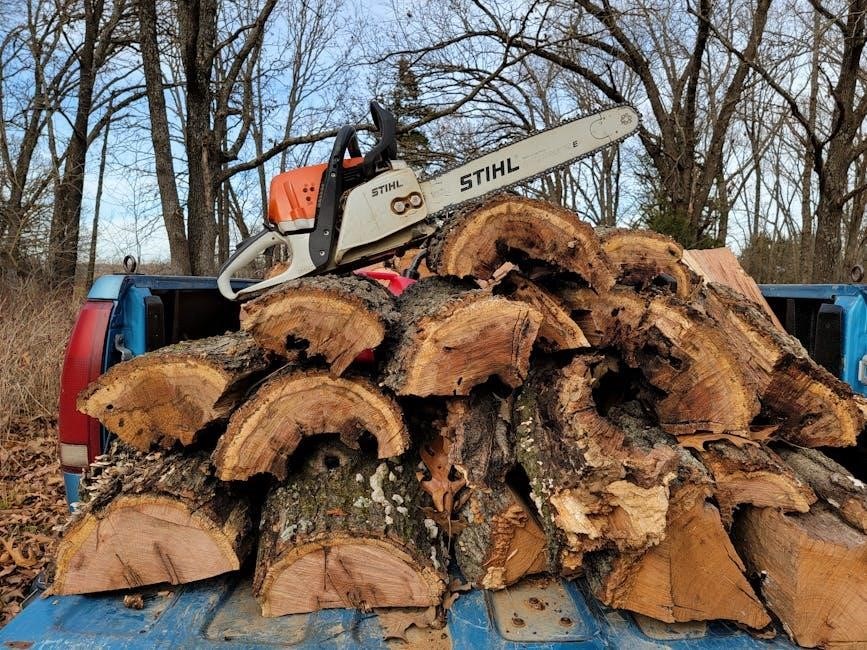
Stihl MS 251 C-BE Manual: A Comprehensive Guide

Welcome! This detailed manual assists new owners in understanding and operating their Stihl MS 251 C-BE chainsaw, offering guidance for optimal performance and longevity.

The Stihl MS 251 C-BE is a powerful and versatile chainsaw designed for a wide range of cutting tasks, from homeowner yard work to professional forestry applications. This manual serves as a comprehensive resource, guiding you through every aspect of owning and operating this exceptional machine. It’s specifically tailored to the MS 251 C-BE model, ensuring accurate and relevant information.

This chainsaw boasts a high-performance 2-stroke engine, delivering impressive power-to-weight ratio for efficient cutting. The “C-BE” designation signifies a catalytic converter, reducing harmful emissions and contributing to a more environmentally friendly operation. Understanding the features and proper maintenance procedures outlined in this manual will maximize the chainsaw’s performance, extend its lifespan, and ensure your safety.

We strongly recommend reading this manual thoroughly before the first use. Familiarize yourself with all safety precautions, operating instructions, and maintenance schedules. This will allow you to confidently and safely tackle any cutting task while enjoying the benefits of a well-maintained Stihl chainsaw. Your satisfaction and safety are our top priorities.

Safety Precautions & Warnings

Operating a chainsaw is inherently dangerous and requires strict adherence to safety guidelines. Always wear appropriate personal protective equipment (PPE), including a helmet with face shield, hearing protection, safety glasses, snug-fitting gloves, and chainsaw chaps. Never operate the MS 251 C-BE without these essential safeguards.

Before each use, inspect the chainsaw for any damage or loose parts. Ensure the chain is properly tensioned and sharpened. Be aware of your surroundings and maintain a safe distance from bystanders, obstacles, and power lines. Never cut above shoulder height.

Kickback is a significant hazard. Understand its causes and how to prevent it by following proper cutting techniques. Always maintain a firm grip on the chainsaw with both hands. Never operate the chainsaw while fatigued or under the influence of drugs or alcohol. Proper training and a thorough understanding of these warnings are crucial for safe operation. Ignoring these precautions could result in serious injury.

Understanding the Components: Parts Diagram Overview

The Stihl MS 251 C-BE consists of several key components working in harmony. Essential parts include the engine, fuel tank, chain, guide bar, sprocket cover, anti-vibration system, and handle. The engine powers the chain, which cuts through wood guided by the bar. The fuel tank stores the necessary 2-stroke fuel mixture.

The sprocket cover protects the sprocket and aids in chain lubrication. The anti-vibration system minimizes operator fatigue. Familiarize yourself with the location of the choke, on/off switch, and throttle trigger. A detailed parts diagram (refer to accompanying illustrations) showcases each component’s precise placement and relationship to others.

Understanding these components is vital for proper maintenance, troubleshooting, and ordering replacement parts. Identifying each part by name and function will greatly assist in servicing your MS 251 C-BE. Always use genuine Stihl replacement parts to ensure optimal performance and safety.

Engine Specifications & Technical Data

The Stihl MS 251 C-BE is powered by a 2-stroke, single-cylinder engine. Displacement is 45.4 cc (2.77 cu. in.), delivering a robust power output for various cutting tasks. The engine boasts a power output of 2.2 kW (3.0 hp) and a maximum engine speed of 9,000 rpm. Its compression ratio is 12:1, contributing to efficient fuel combustion.

Fuel consumption varies depending on load, but typically ranges around 0.71 liters per hour. The carburetor is a diaphragm-type Walbro, ensuring reliable fuel delivery. The ignition system is fully electronic, providing consistent spark for easy starting. The MS 251 C-BE weighs approximately 5.8 kg (12.8 lbs) without a guide bar or chain.

The oil pump delivers a regulated amount of chain oil, crucial for lubrication and extending chain life. Understanding these specifications aids in proper operation and maintenance, ensuring optimal performance and longevity of your chainsaw.

Assembly Instructions: Initial Setup

Before first use, carefully unpack your Stihl MS 251 C-BE and verify all components are present. Attach the guide bar, ensuring the drive links of the chain face in the direction of rotation. Secure the bar with the bar nut, tightening it firmly but not excessively. Next, install the chain, ensuring proper tensioning – it should lift slightly from the bar but remain snug.

Install the chain catcher, a vital safety component, and confirm it’s securely fastened. Attach the rear handle and front handle, tightening all screws to the manufacturer’s specified torque. Fill the chain oil reservoir with Stihl chain oil or an equivalent bio-based alternative.

Finally, check all controls for smooth operation. Familiarize yourself with the throttle trigger, on/off switch, and choke lever. A properly assembled chainsaw is crucial for safe and efficient operation. Double-check all connections before proceeding to fueling and starting.

Fueling & Mixing Ratios (2-Stroke Engine)

The Stihl MS 251 C-BE utilizes a 2-stroke engine, requiring a precise fuel mixture of gasoline and high-quality 2-stroke engine oil. Always use fresh gasoline and Stihl HP Ultra or a comparable 2-stroke oil specifically designed for air-cooled engines.

The recommended mixing ratio is 50:1 – meaning 50 parts gasoline to 1 part oil. For example, use 100ml of oil with 5 liters of gasoline. Accurate measurement is critical; using too little oil can cause engine seizure, while too much can lead to carbon buildup.

Always mix fuel in a clean container designed for gasoline. Shake the mixture thoroughly before pouring it into the chainsaw’s fuel tank. Avoid spilling fuel on the chainsaw or the ground. Use only approved fuel containers and store fuel safely away from heat and open flames.

Starting Procedures: Cold & Warm Starts

Cold Start: Ensure the chainsaw is on a flat, stable surface. Engage the chain brake. Turn the fuel selector to the “ON” position. Activate the choke by moving the choke lever to the “START” position. Slowly pull the starter cord until resistance is felt, then pull briskly. Repeat several times until the engine attempts to start. Once started, gradually open the choke.

Warm Start: Disengage the chain brake. Turn the fuel selector to “ON”; Typically, no choke is needed for a warm start. Pull the starter cord briskly. If the engine doesn’t start, try activating the choke briefly, then repeating the starting procedure.

Important Notes: Never start the chainsaw with the bar or chain in contact with any object. Always maintain a firm grip and be prepared for the engine to kickback. If the engine floods, remove the spark plug and pull the starter cord several times to clear excess fuel.

Chain Tensioning & Adjustment

Proper chain tension is crucial for safe and efficient operation. A correctly tensioned chain should be snug against the bar but still able to be pulled around by hand. To adjust, loosen the bar nuts slightly using the supplied combination wrench. Use the tensioning screw on the side of the chainsaw to adjust tension – clockwise to tighten, counterclockwise to loosen.

Checking Tension: After adjustment, retighten the bar nuts securely. Check tension again by lifting the chain midway along the bar; it should not sag excessively. New chains will stretch during initial use, requiring frequent adjustments. Regularly inspect the chain for proper tension before and during operation.

Important Considerations: An overly tight chain will cause premature wear to the bar, chain, and drive sprocket. A loose chain can derail, posing a safety hazard. Always ensure the chain brake is engaged during tensioning adjustments.

Bar & Chain Maintenance: Sharpening & Cleaning

Maintaining a sharp chain and clean bar significantly impacts cutting performance and safety. Regularly inspect the chain for dullness, indicated by increased effort during cutting or sawdust appearing as powder rather than chips. Sharpen the chain using a round file and guide, maintaining the correct filing angle as specified in the manual.

Cleaning Procedures: After each use, remove sawdust and debris from the bar groove using a bar groove cleaner or a scraper. Clean the chain with a brush and solvent to remove pitch and oil buildup. A clean bar and chain reduce friction and extend their lifespan.

Bar Maintenance: Periodically check the bar for wear and burrs. File down any burrs and ensure the bar rails are straight. Rotate the bar during use to promote even wear. Proper maintenance prevents kickback and ensures efficient cutting.

Air Filter Maintenance & Replacement

Maintaining a clean air filter is crucial for optimal engine performance and longevity. A dirty air filter restricts airflow, leading to reduced power and increased fuel consumption. Regularly inspect the air filter before each use, and after every five operating hours, or more frequently in dusty conditions.

Cleaning the Filter: Remove the air filter cover and carefully remove the filter. Tap the filter gently to dislodge loose debris. For more thorough cleaning, wash the filter in warm, soapy water, rinse thoroughly, and allow it to dry completely before reinstalling. Do not use solvents!

Replacement Intervals: Replace the air filter when it becomes damaged, excessively dirty, or cannot be adequately cleaned; A new air filter ensures proper airflow and protects the engine from abrasive particles. Refer to the parts list for the correct replacement filter.

Spark Plug Inspection & Replacement

Regular spark plug inspection is vital for ensuring reliable engine starting and efficient combustion. A faulty spark plug can cause starting difficulties, misfires, and reduced engine power. Inspect the spark plug every 100 operating hours, or sooner if experiencing performance issues.

Inspection Procedure: Remove the spark plug and examine the electrode for wear, fouling, or damage. A healthy spark plug should have a light tan or gray color. Black, oily deposits indicate a rich fuel mixture, while white deposits suggest a lean mixture. Clean the spark plug with a wire brush if lightly fouled.

Replacement Guidelines: Replace the spark plug if the electrode is worn, cracked, or heavily fouled. Always use the recommended spark plug specified in the parts list. Ensure the new spark plug is properly gapped before installation. Incorrect gapping can lead to poor performance or engine damage.

Carburetor Adjustment: Fine-Tuning the Engine

Precise carburetor adjustment is crucial for optimal engine performance, fuel efficiency, and reduced emissions. Adjustments should only be performed by experienced users or qualified technicians, as improper settings can damage the engine. Before adjusting, ensure the air filter and spark plug are clean and in good working order.

Adjustment Process: The carburetor features high (H) and low (L) speed adjustment screws. Begin by warming up the engine to operating temperature. Adjust the L screw until the engine idles smoothly without stalling. Then, adjust the H screw to achieve maximum engine speed without hesitation. Fine-tune both screws for optimal performance.

Important Notes: Always follow the manufacturer’s recommended procedures and specifications. Avoid making drastic adjustments. If you are unsure about any aspect of carburetor adjustment, consult a qualified service technician. Incorrect adjustments can lead to increased fuel consumption, excessive smoke, and engine damage.

Troubleshooting Common Issues

Encountering problems? This section addresses frequent issues with your Stihl MS 251 C-BE. Engine won’t start: Check fuel level, spark plug connection, and air filter cleanliness. A flooded engine requires removing the spark plug and pulling the starter cord several times. Poor performance: Inspect the air filter, fuel filter, and spark plug. Carburetor adjustments may also be necessary.

Chain stops moving: Verify chain tension and bar lubrication. A worn chain or damaged bar can also cause this. Excessive vibration: Check for a loose chain, damaged bar, or unbalanced chain. Engine overheating: Ensure adequate ventilation and inspect the cooling fins for debris.

Safety First: Always disconnect the spark plug wire before performing any maintenance or troubleshooting. If you cannot resolve the issue, consult a qualified Stihl service technician. Attempting repairs without proper knowledge can be dangerous and void the warranty.

Storage & Transport Guidelines

Proper storage is crucial for maintaining your Stihl MS 251 C-BE’s performance. For short-term storage (a few days), ensure the chainsaw is clean and dry. For extended periods (over a month), drain the fuel tank completely and run the engine until it stalls to empty the carburetor. Remove the chain and bar, clean them thoroughly, and apply a protective coating of oil.

Safe Transport: Always engage the chain brake and bar scabbard before transporting the chainsaw. Secure it in a designated carrying case or vehicle compartment to prevent accidental activation or damage. Never transport a chainsaw with fuel in the tank unless it’s specifically designed for transport.

Environmental Considerations: Store the chainsaw in a cool, dry place away from direct sunlight and flammable materials. Follow local regulations for the disposal of used fuel and oil. Regular maintenance before storage ensures easy restarts and prolonged chainsaw life.

Detailed Parts List & Ordering Information

Locating Replacement Parts: This section provides a comprehensive list of parts for your Stihl MS 251 C-BE chainsaw. Refer to the exploded diagrams for accurate identification of each component, including the engine, bar, chain, and housing assemblies. Part numbers are crucial for accurate ordering.

Ordering Procedures: Genuine Stihl replacement parts are recommended to ensure optimal performance and safety. Contact your local authorized Stihl dealer with the required part numbers. Online ordering may also be available through the official Stihl website or authorized retailers.

Important Notes: Always specify the model number (MS 251 C-BE) when ordering parts. Double-check the part number against the diagram to avoid errors. For complex repairs, it’s advisable to consult a qualified Stihl service technician. A complete parts catalog is available upon request from your dealer.