Stihl MS 251 C-BE Manual: A Comprehensive Guide
Welcome! This detailed manual assists new owners in understanding and operating their Stihl MS 251 C-BE chainsaw, offering guidance for optimal performance and longevity.
The Stihl MS 251 C-BE is a powerful and versatile chainsaw designed for a wide range of cutting tasks, from homeowner yard work to professional forestry applications. This manual serves as a comprehensive resource, guiding you through every aspect of owning and operating this exceptional machine. It’s specifically tailored to the MS 251 C-BE model, ensuring accurate and relevant information.
This chainsaw boasts a high-performance 2-stroke engine, delivering impressive power-to-weight ratio for efficient cutting. The “C-BE” designation signifies a catalytic converter, reducing harmful emissions and contributing to a more environmentally friendly operation. Understanding the features and proper maintenance procedures outlined in this manual will maximize the chainsaw’s performance, extend its lifespan, and ensure your safety.
We strongly recommend reading this manual thoroughly before the first use. Familiarize yourself with all safety precautions, operating instructions, and maintenance schedules. This will allow you to confidently and safely tackle any cutting task while enjoying the benefits of a well-maintained Stihl chainsaw. Your satisfaction and safety are our top priorities.
Safety Precautions & Warnings
Operating a chainsaw is inherently dangerous and requires strict adherence to safety guidelines. Always wear appropriate personal protective equipment (PPE), including a helmet with face shield, hearing protection, safety glasses, snug-fitting gloves, and chainsaw chaps. Never operate the MS 251 C-BE without these essential safeguards.
Before each use, inspect the chainsaw for any damage or loose parts. Ensure the chain is properly tensioned and sharpened. Be aware of your surroundings and maintain a safe distance from bystanders, obstacles, and power lines. Never cut above shoulder height.
Kickback is a significant hazard. Understand its causes and how to prevent it by following proper cutting techniques. Always maintain a firm grip on the chainsaw with both hands. Never operate the chainsaw while fatigued or under the influence of drugs or alcohol. Proper training and a thorough understanding of these warnings are crucial for safe operation. Ignoring these precautions could result in serious injury.
Understanding the Components: Parts Diagram Overview
The Stihl MS 251 C-BE consists of several key components working in harmony. Essential parts include the engine, fuel tank, chain, guide bar, sprocket cover, anti-vibration system, and handle. The engine powers the chain, which cuts through wood guided by the bar. The fuel tank stores the necessary 2-stroke fuel mixture.
The sprocket cover protects the sprocket and aids in chain lubrication. The anti-vibration system minimizes operator fatigue. Familiarize yourself with the location of the choke, on/off switch, and throttle trigger. A detailed parts diagram (refer to accompanying illustrations) showcases each component’s precise placement and relationship to others.
Understanding these components is vital for proper maintenance, troubleshooting, and ordering replacement parts. Identifying each part by name and function will greatly assist in servicing your MS 251 C-BE. Always use genuine Stihl replacement parts to ensure optimal performance and safety.
Engine Specifications & Technical Data
The Stihl MS 251 C-BE is powered by a 2-stroke, single-cylinder engine. Displacement is 45.4 cc (2.77 cu. in.), delivering a robust power output for various cutting tasks. The engine boasts a power output of 2.2 kW (3.0 hp) and a maximum engine speed of 9,000 rpm. Its compression ratio is 12:1, contributing to efficient fuel combustion.
Fuel consumption varies depending on load, but typically ranges around 0.71 liters per hour. The carburetor is a diaphragm-type Walbro, ensuring reliable fuel delivery. The ignition system is fully electronic, providing consistent spark for easy starting. The MS 251 C-BE weighs approximately 5.8 kg (12.8 lbs) without a guide bar or chain.
The oil pump delivers a regulated amount of chain oil, crucial for lubrication and extending chain life. Understanding these specifications aids in proper operation and maintenance, ensuring optimal performance and longevity of your chainsaw.
Assembly Instructions: Initial Setup
Before first use, carefully unpack your Stihl MS 251 C-BE and verify all components are present. Attach the guide bar, ensuring the drive links of the chain face in the direction of rotation. Secure the bar with the bar nut, tightening it firmly but not excessively. Next, install the chain, ensuring proper tensioning – it should lift slightly from the bar but remain snug.
Install the chain catcher, a vital safety component, and confirm it’s securely fastened. Attach the rear handle and front handle, tightening all screws to the manufacturer’s specified torque. Fill the chain oil reservoir with Stihl chain oil or an equivalent bio-based alternative.
Finally, check all controls for smooth operation. Familiarize yourself with the throttle trigger, on/off switch, and choke lever. A properly assembled chainsaw is crucial for safe and efficient operation. Double-check all connections before proceeding to fueling and starting.
Fueling & Mixing Ratios (2-Stroke Engine)
The Stihl MS 251 C-BE utilizes a 2-stroke engine, requiring a precise fuel mixture of gasoline and high-quality 2-stroke engine oil. Always use fresh gasoline and Stihl HP Ultra or a comparable 2-stroke oil specifically designed for air-cooled engines.
The recommended mixing ratio is 50:1 – meaning 50 parts gasoline to 1 part oil. For example, use 100ml of oil with 5 liters of gasoline. Accurate measurement is critical; using too little oil can cause engine seizure, while too much can lead to carbon buildup.

Always mix fuel in a clean container designed for gasoline. Shake the mixture thoroughly before pouring it into the chainsaw’s fuel tank. Avoid spilling fuel on the chainsaw or the ground. Use only approved fuel containers and store fuel safely away from heat and open flames.
Starting Procedures: Cold & Warm Starts
Cold Start: Ensure the chainsaw is on a flat, stable surface. Engage the chain brake. Turn the fuel selector to the “ON” position. Activate the choke by moving the choke lever to the “START” position. Slowly pull the starter cord until resistance is felt, then pull briskly. Repeat several times until the engine attempts to start. Once started, gradually open the choke.
Warm Start: Disengage the chain brake. Turn the fuel selector to “ON”; Typically, no choke is needed for a warm start. Pull the starter cord briskly. If the engine doesn’t start, try activating the choke briefly, then repeating the starting procedure.
Important Notes: Never start the chainsaw with the bar or chain in contact with any object. Always maintain a firm grip and be prepared for the engine to kickback. If the engine floods, remove the spark plug and pull the starter cord several times to clear excess fuel.
Chain Tensioning & Adjustment
Proper chain tension is crucial for safe and efficient operation. A correctly tensioned chain should be snug against the bar but still able to be pulled around by hand. To adjust, loosen the bar nuts slightly using the supplied combination wrench. Use the tensioning screw on the side of the chainsaw to adjust tension – clockwise to tighten, counterclockwise to loosen.
Checking Tension: After adjustment, retighten the bar nuts securely. Check tension again by lifting the chain midway along the bar; it should not sag excessively. New chains will stretch during initial use, requiring frequent adjustments. Regularly inspect the chain for proper tension before and during operation.
Important Considerations: An overly tight chain will cause premature wear to the bar, chain, and drive sprocket. A loose chain can derail, posing a safety hazard. Always ensure the chain brake is engaged during tensioning adjustments.
Bar & Chain Maintenance: Sharpening & Cleaning
Maintaining a sharp chain and clean bar significantly impacts cutting performance and safety. Regularly inspect the chain for dullness, indicated by increased effort during cutting or sawdust appearing as powder rather than chips. Sharpen the chain using a round file and guide, maintaining the correct filing angle as specified in the manual.
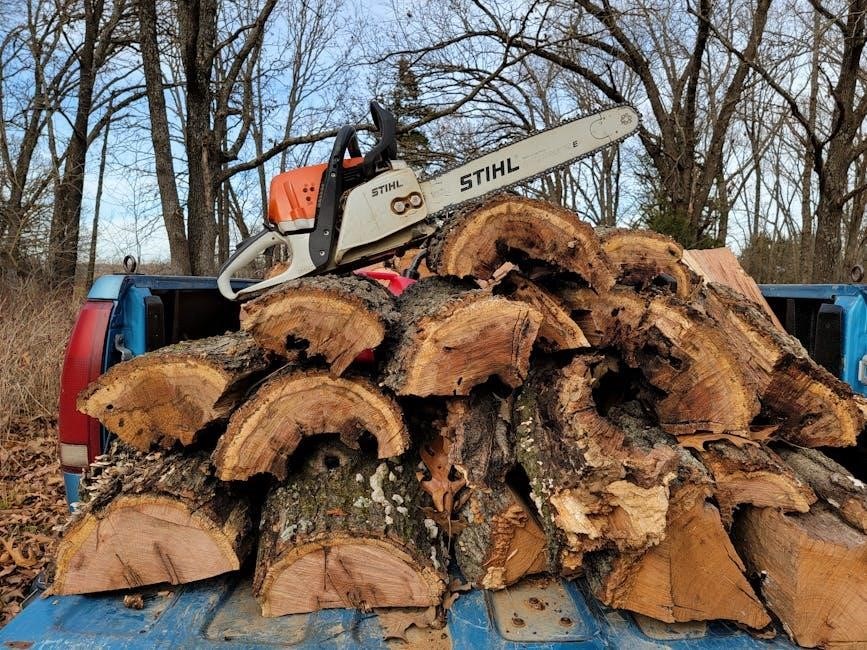
Cleaning Procedures: After each use, remove sawdust and debris from the bar groove using a bar groove cleaner or a scraper. Clean the chain with a brush and solvent to remove pitch and oil buildup. A clean bar and chain reduce friction and extend their lifespan.
Bar Maintenance: Periodically check the bar for wear and burrs. File down any burrs and ensure the bar rails are straight. Rotate the bar during use to promote even wear. Proper maintenance prevents kickback and ensures efficient cutting.
Air Filter Maintenance & Replacement
Maintaining a clean air filter is crucial for optimal engine performance and longevity. A dirty air filter restricts airflow, leading to reduced power and increased fuel consumption. Regularly inspect the air filter before each use, and after every five operating hours, or more frequently in dusty conditions.
Cleaning the Filter: Remove the air filter cover and carefully remove the filter. Tap the filter gently to dislodge loose debris. For more thorough cleaning, wash the filter in warm, soapy water, rinse thoroughly, and allow it to dry completely before reinstalling. Do not use solvents!
Replacement Intervals: Replace the air filter when it becomes damaged, excessively dirty, or cannot be adequately cleaned; A new air filter ensures proper airflow and protects the engine from abrasive particles. Refer to the parts list for the correct replacement filter.
Spark Plug Inspection & Replacement
Regular spark plug inspection is vital for ensuring reliable engine starting and efficient combustion. A faulty spark plug can cause starting difficulties, misfires, and reduced engine power. Inspect the spark plug every 100 operating hours, or sooner if experiencing performance issues.
Inspection Procedure: Remove the spark plug and examine the electrode for wear, fouling, or damage. A healthy spark plug should have a light tan or gray color. Black, oily deposits indicate a rich fuel mixture, while white deposits suggest a lean mixture. Clean the spark plug with a wire brush if lightly fouled.
Replacement Guidelines: Replace the spark plug if the electrode is worn, cracked, or heavily fouled. Always use the recommended spark plug specified in the parts list. Ensure the new spark plug is properly gapped before installation. Incorrect gapping can lead to poor performance or engine damage.
Carburetor Adjustment: Fine-Tuning the Engine
Precise carburetor adjustment is crucial for optimal engine performance, fuel efficiency, and reduced emissions. Adjustments should only be performed by experienced users or qualified technicians, as improper settings can damage the engine. Before adjusting, ensure the air filter and spark plug are clean and in good working order.
Adjustment Process: The carburetor features high (H) and low (L) speed adjustment screws. Begin by warming up the engine to operating temperature. Adjust the L screw until the engine idles smoothly without stalling. Then, adjust the H screw to achieve maximum engine speed without hesitation. Fine-tune both screws for optimal performance.
Important Notes: Always follow the manufacturer’s recommended procedures and specifications. Avoid making drastic adjustments. If you are unsure about any aspect of carburetor adjustment, consult a qualified service technician. Incorrect adjustments can lead to increased fuel consumption, excessive smoke, and engine damage.
Troubleshooting Common Issues
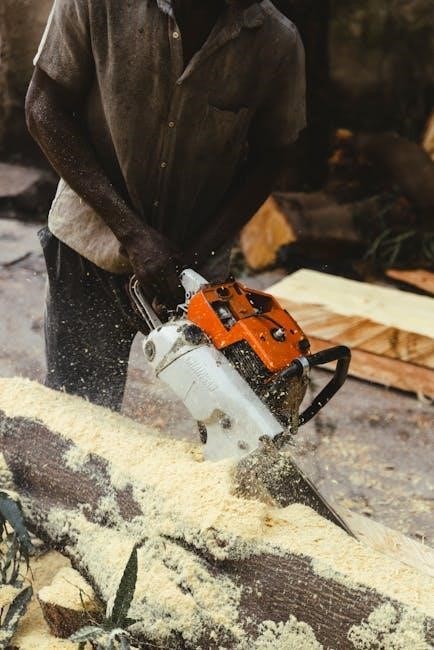
Encountering problems? This section addresses frequent issues with your Stihl MS 251 C-BE. Engine won’t start: Check fuel level, spark plug connection, and air filter cleanliness. A flooded engine requires removing the spark plug and pulling the starter cord several times. Poor performance: Inspect the air filter, fuel filter, and spark plug. Carburetor adjustments may also be necessary.
Chain stops moving: Verify chain tension and bar lubrication. A worn chain or damaged bar can also cause this. Excessive vibration: Check for a loose chain, damaged bar, or unbalanced chain. Engine overheating: Ensure adequate ventilation and inspect the cooling fins for debris.
Safety First: Always disconnect the spark plug wire before performing any maintenance or troubleshooting. If you cannot resolve the issue, consult a qualified Stihl service technician. Attempting repairs without proper knowledge can be dangerous and void the warranty.
Storage & Transport Guidelines
Proper storage is crucial for maintaining your Stihl MS 251 C-BE’s performance. For short-term storage (a few days), ensure the chainsaw is clean and dry. For extended periods (over a month), drain the fuel tank completely and run the engine until it stalls to empty the carburetor. Remove the chain and bar, clean them thoroughly, and apply a protective coating of oil.
Safe Transport: Always engage the chain brake and bar scabbard before transporting the chainsaw. Secure it in a designated carrying case or vehicle compartment to prevent accidental activation or damage. Never transport a chainsaw with fuel in the tank unless it’s specifically designed for transport.
Environmental Considerations: Store the chainsaw in a cool, dry place away from direct sunlight and flammable materials. Follow local regulations for the disposal of used fuel and oil. Regular maintenance before storage ensures easy restarts and prolonged chainsaw life.
Detailed Parts List & Ordering Information
Locating Replacement Parts: This section provides a comprehensive list of parts for your Stihl MS 251 C-BE chainsaw. Refer to the exploded diagrams for accurate identification of each component, including the engine, bar, chain, and housing assemblies. Part numbers are crucial for accurate ordering.

Ordering Procedures: Genuine Stihl replacement parts are recommended to ensure optimal performance and safety. Contact your local authorized Stihl dealer with the required part numbers. Online ordering may also be available through the official Stihl website or authorized retailers.
Important Notes: Always specify the model number (MS 251 C-BE) when ordering parts. Double-check the part number against the diagram to avoid errors. For complex repairs, it’s advisable to consult a qualified Stihl service technician. A complete parts catalog is available upon request from your dealer.